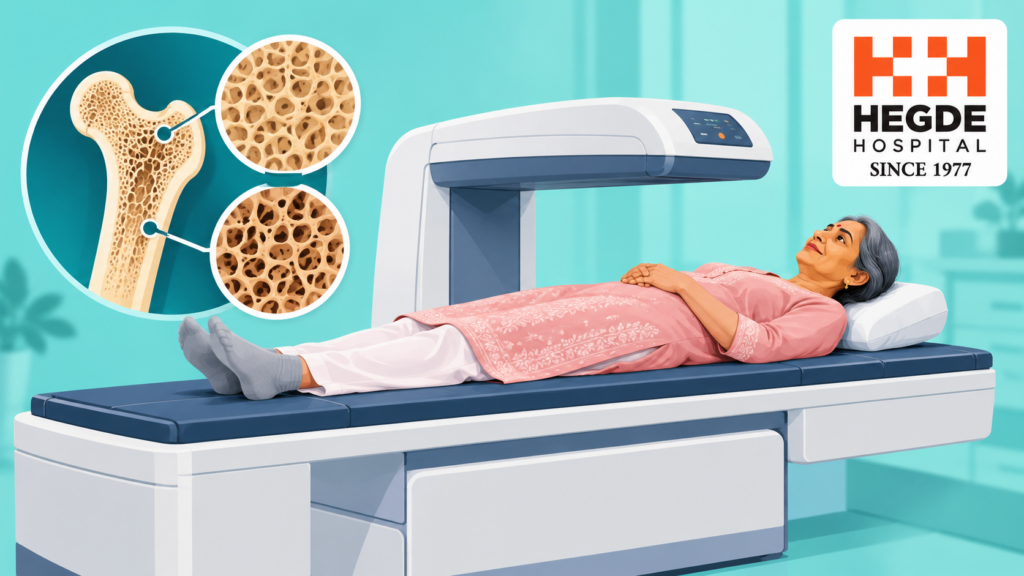
Osteoporosis and DEXA Scans: Who Needs a Bone-Density Assessment?
Osteoporosis can develop without pain. Bone-density results, previous fractures and personal risk factors help a clinician decide what care is appropriate.

Doctor-informed health articles in clear English about symptoms, tests, procedures, treatment decisions and recovery.
Osteoporosis can develop without pain. Bone-density results, previous fractures and personal risk factors help a clinician decide what care is appropriate.
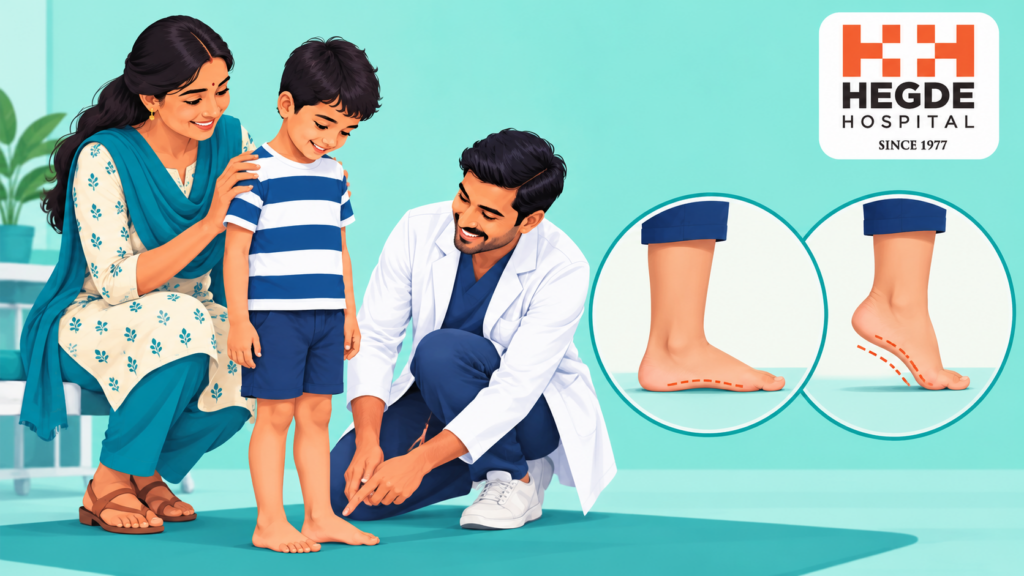
Periods can take time to settle after puberty. The length of a gap, bleeding pattern and effect on school help decide…
A low foot arch is often a normal childhood variation. Pain, stiffness, one-sided changes and difficulty playing matter more than a…
An elevated uric acid number needs context. Previous joint attacks, kidney stones, kidney function and the pattern of results guide the…
Pain beneath the heel after sleep or sitting can suggest plantar fasciitis, but other conditions can feel similar. Examination helps choose…
Returning home after hysterectomy is one step in recovery. Your operation, internal healing, symptoms and daily responsibilities shape a gradual return…
Leakage when coughing, laughing or lifting deserves a clear assessment. The pattern of leakage helps distinguish stress incontinence from urgency and…
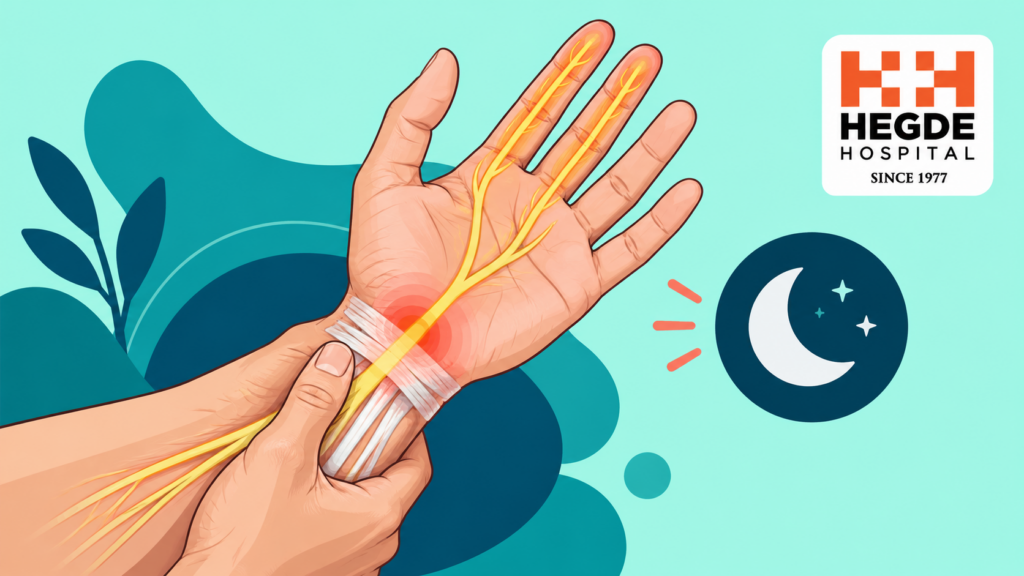
Tingling in the thumb and nearby fingers can disturb sleep and make grip feel unreliable. Learn when the pattern suggests wrist…
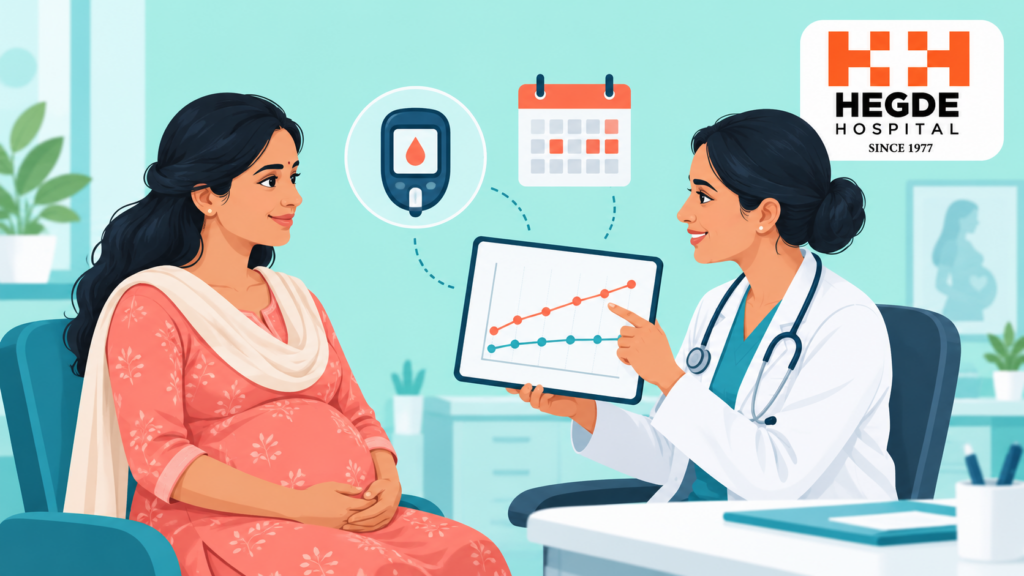
Pregnancy-related high blood sugar may be found on routine testing even when you feel well. A coordinated maternity plan includes follow-up…
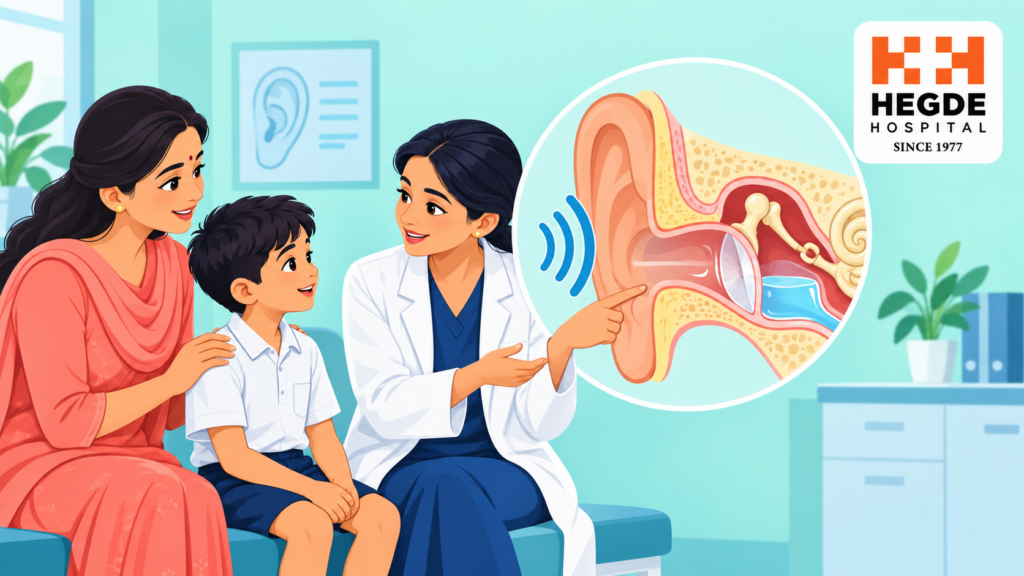
Fluid behind the eardrum can make a child hear less clearly without obvious fever or pain. Hearing checks and the effect…
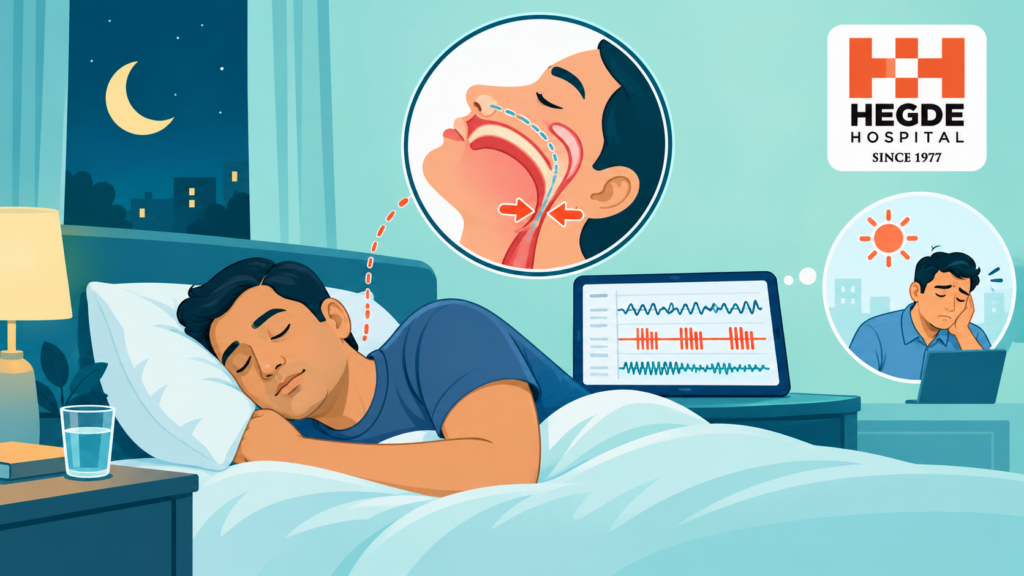
Snoring alone cannot diagnose sleep apnoea. Breathing pauses, unrefreshing sleep and daytime symptoms help determine who needs a sleep assessment.
Repeated sneezing with an itchy or blocked nose may be nasal allergy. The pattern, triggers and effect on sleep help doctors…