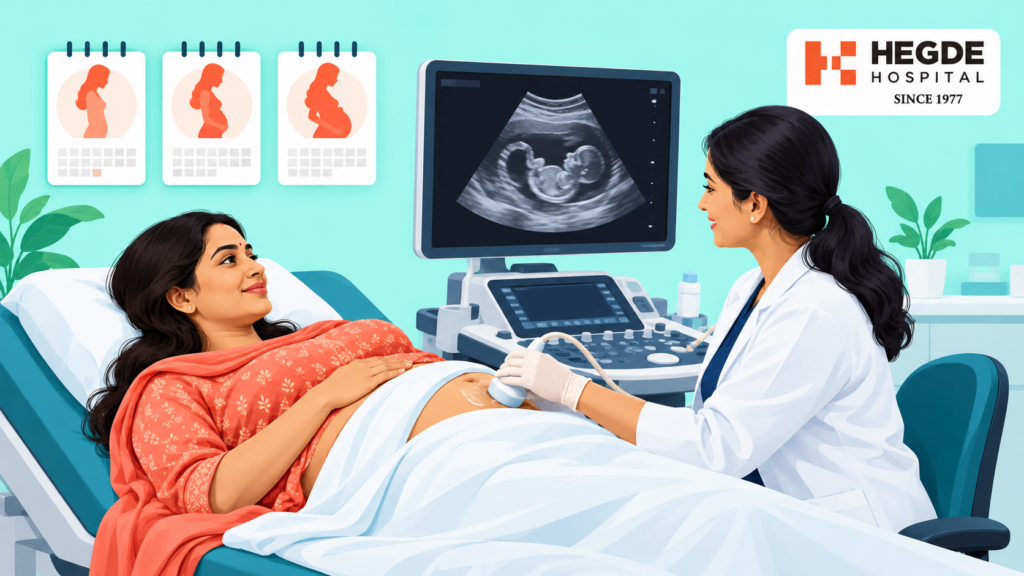

Piles are common during pregnancy because of increased pelvic pressure, hormonal changes and constipation. Rectal bleeding should still be assessed rather than automatically attributed to piles.
Piles can appear or worsen during pregnancy as the growing uterus increases pelvic pressure, blood volume rises and bowel movements change. Symptoms may include bright-red bleeding, itching, mucus, discomfort or a lump near the anus. They can also occur after childbirth because of straining and pressure during labour.
Although piles are common, rectal bleeding in pregnancy should not be self-diagnosed. An anal fissure, infection, inflammatory bowel disease and other digestive conditions can also bleed. The obstetric and surgical teams can assess the symptom pattern and choose options that are appropriate for the stage of pregnancy and the severity of disease.
Why pregnancy can trigger piles
Pregnancy increases pressure in pelvic veins and can slow venous return. Hormonal changes may affect bowel movement, and reduced activity, altered diet or supplements prescribed during pregnancy can contribute to constipation. Repeated straining then increases pressure on haemorrhoidal cushions.
Later pregnancy generally produces greater mechanical pressure, but symptoms can occur in any trimester. Previous piles, a family tendency, obesity and prolonged toilet sitting may add to the risk. The condition is not a sign that the pregnancy itself is unhealthy.
Common symptoms and what they may mean
Typical symptoms include bright-red blood on tissue or stool, itching, irritation, mucus staining and a soft lump that appears during bowel movements. External piles may become swollen or develop a painful clot. Severe cutting pain during stool is more suggestive of an anal fissure.
Tell the doctor how much blood is present, its colour, whether it is mixed through stool, and whether there is abdominal pain, diarrhoea, fever or a change in bowel habit. This helps determine whether an anal examination is enough or another evaluation is appropriate.
When rectal bleeding needs prompt or urgent care
Contact the maternity or medical team promptly for recurrent bleeding, increasing pain, a persistent lump, symptoms of anaemia, diarrhoea, weight loss or bleeding that is not clearly linked to bowel movements. Heavy or continuous bleeding, fainting, severe weakness, black stool, fever with anal swelling, severe abdominal pain or vomiting requires urgent assessment.
Vaginal bleeding and rectal bleeding can sometimes be confused. If the source is uncertain during pregnancy, seek clinical advice rather than waiting. Pregnancy-related safety decisions depend on gestational age and the full clinical picture.
Would you like clarity about your symptoms?
Share your main symptom, how long it has been present and whether it is getting worse. The Hegde Hospital care team can help you choose the appropriate specialist.
How piles are diagnosed during pregnancy
The doctor reviews bowel habits, previous episodes, pregnancy stage and current obstetric concerns. Inspection can identify external piles, a fissure or prolapse. A gentle rectal examination or anoscopy may be used when needed and tolerable.
Further tests are not automatic, but persistent or atypical bleeding should not be dismissed. Blood tests may assess anaemia. Digestive investigations are considered only when their likely benefit outweighs risk, with coordination between relevant specialists.
Treatment planning without self-medication
The initial plan usually aims to reduce repeated straining and keep stool comfortable to pass. The obstetric clinician may advise an appropriate nutrition, fluid, activity and bowel-regulation plan after considering pregnancy, other conditions and current prescriptions. Do not start or repeat a product simply because it is sold without prescription or was used before pregnancy.
Local symptom treatments and any oral treatment should be cleared by the obstetric team. The correct choice can change by trimester, allergy history and other medicines. Ongoing bleeding or pain needs re-evaluation rather than repeated self-treatment.
A useful plan identifies the problem driving difficult bowel movements rather than giving every pregnant patient the same advice. Nausea, reduced appetite, pelvic-floor symptoms, dehydration, restricted activity and iron treatment prescribed for anaemia can each change the bowel pattern. The maternity team can review these factors without compromising essential pregnancy care.
Comfort measures should never obscure a change in the clinical picture. New fever, increasing tenderness, pus, a hard painful swelling, abdominal symptoms or bleeding that becomes heavier needs reassessment. The goal is safe symptom control alongside confirmation that the diagnosis remains uncomplicated piles.
When a procedure may be considered
Most uncomplicated pregnancy-related piles can be managed without an operation until after delivery. A procedure may be considered when there is severe persistent bleeding, a painful complication, tissue damage, inability to reduce prolapse or another urgent concern. Decisions are individual and involve obstetric and surgical input.
If symptoms continue after childbirth, reassessment allows the surgeon to confirm the grade and external component after pregnancy-related swelling has settled. Office procedures or surgery may then be discussed based on symptoms, breastfeeding considerations, future pregnancy plans and patient preference.
Labour, delivery and the post-delivery period
Piles do not usually determine whether delivery should be vaginal or caesarean. The obstetric indication guides delivery planning. Straining during labour can temporarily worsen swelling, and symptoms may peak in the early post-delivery period before improving.
Report heavy bleeding, fever, worsening pain or a hard rapidly enlarging lump after delivery. Postpartum bowel and pain plans should be coordinated with the treating team, especially while breastfeeding or recovering from an episiotomy, tear or caesarean section.
Do you need a specialist evaluation?
Book a consultation for an examination and an individual plan based on your symptoms, medical history and test results.
Reducing recurrence after pregnancy
Once the acute episode is assessed, a clinician may recommend a sustainable bowel plan, adequate dietary fibre and fluids, gradual activity and avoiding prolonged straining. These measures support comfortable bowel function but do not replace evaluation of recurrent bleeding.
Persistent prolapse, repeated thrombosis or symptoms affecting hygiene and daily activity deserve follow-up. If another pregnancy is planned, discuss whether treatment should occur before conception and how likely symptoms are to recur.
Frequently Asked Questions
Can piles harm the baby?
Piles affect the anal area and do not directly harm the baby. Significant maternal bleeding, pain or another diagnosis still needs assessment.
Will piles disappear after delivery?
Pregnancy-related swelling often improves after delivery, but prolapse or external tissue may persist. Review is appropriate if symptoms continue.
Can I use an old piles prescription during pregnancy?
Do not restart treatment without checking with the obstetric clinician. Safety and suitability depend on pregnancy stage and other health factors.
Is surgery safe during pregnancy?
Most cases do not need surgery during pregnancy. When a serious complication occurs, the surgical and obstetric teams balance urgency, gestational age and anaesthesia considerations.
Preparing for a specialist consultation
Before the visit, note when the symptoms began, how often they occur and whether they are linked to meals, bowel movements, lifting, pregnancy or a previous operation. Record the colour and approximate amount of any bleeding or discharge, changes in stool frequency or appearance, fever, weight change and the effect on sleep, work and daily activity. Bring earlier operation notes, discharge summaries, scan or endoscopy reports and recent blood-test results if available.
Share all current prescriptions, allergies, major illnesses, pregnancy status and any history of difficulty controlling stool or urine. Do not stop a prescribed treatment before the appointment unless the treating clinician advises it. A precise history helps the doctor decide whether examination alone is sufficient, whether a test is likely to change management and which treatment trade-offs deserve discussion. If symptoms become severe or an urgent warning sign develops while waiting for the appointment, seek prompt medical assessment instead of waiting for the scheduled visit.
Questions to ask during your consultation
- Is the bleeding definitely from piles or could it be a fissure or bowel condition?
- Which options are appropriate for my trimester and current prescriptions?
- What symptoms should prompt urgent maternity or surgical review?
- When should persistent symptoms be reassessed after delivery?