
Teenagers develop at different times, but some delays deserve a planned assessment. The first puberty changes and their progress matter more than comparison with classmates.
A teenager may be concerned that classmates are changing while their own body seems to have changed very little. Families sometimes assume that waiting is always enough, especially when a parent also developed later. Others worry after comparing only height, facial hair or voice.
Puberty timing varies, but there are useful points at which an assessment is recommended. A respectful visit can explain the pattern without embarrassing the young person or assuming that a delay means a permanent problem.
The direct answer
Arrange assessment if a girl has not started breast development by age 13, or a boy has no testicular enlargement by age 14. A girl who has not had her first period by age 15 also needs review. These are assessment triggers, not diagnoses in themselves.
The earliest changes are not the same as facial hair, a deeper voice or a growth spurt. Pubic or underarm hair can arise through a partly separate hormonal process and does not by itself confirm that the main puberty process has begun. Clinicians assess these details rather than relying on appearance in photographs.
Does a late start always mean disease?
No. Some teenagers have a family pattern of later development and otherwise remain healthy. However, a similar family history cannot prove that every delay is harmless. The growth pattern, nutrition, medical history and examination help distinguish possible explanations.
Long-term illness, low energy availability, intensive training with inadequate nutrition, and hormonal or genetic conditions can also affect puberty. These are possibilities to assess, not labels to attach after an online checklist. Avoid blaming the teenager for the timing of development.
What if puberty started but seems to have stopped?
Development should be considered as a progression, rather than a single milestone. Arrange a review if changes appear to have stalled or periods have not followed breast development within the expected interval. The clinician considers when the first changes occurred and how much time has passed.
Earlier review can also be appropriate when growth slows, weight changes considerably, there are symptoms of chronic illness or the teenager is very distressed. You do not need to wait for a birthday if other concerns are present.
What history helps the appointment?
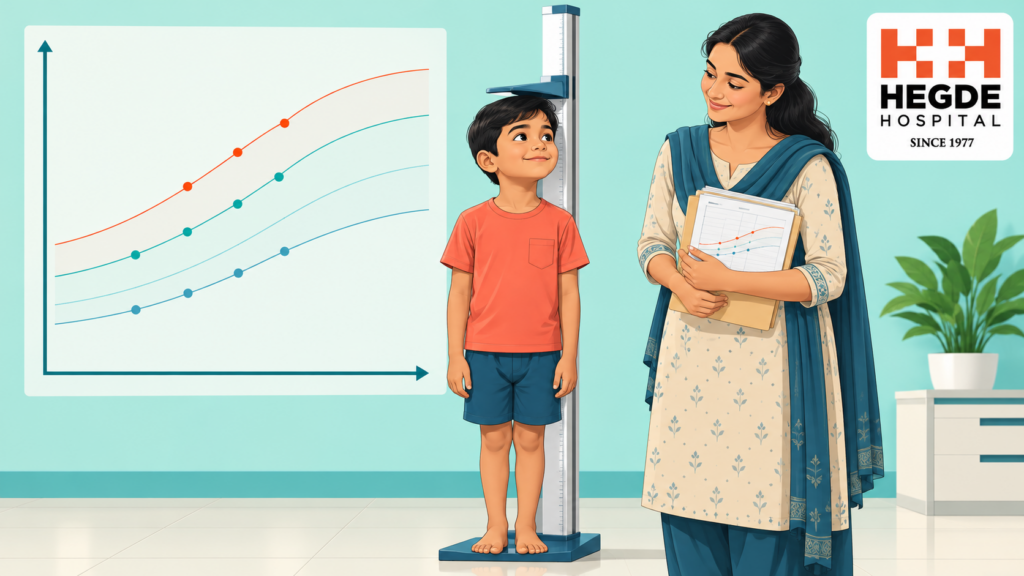
Bring previous height and weight measurements with dates, relevant reports and a list of current treatments. A growth chart is useful because a single height cannot show the rate of growth. Ask about the timing of puberty in close family members when that information is available.
The clinician may ask about eating, training, sleep, long-term illness and other symptoms. The teenager should have an opportunity to explain worries in their own words, including in private when appropriate. Discuss how confidentiality will be handled rather than speaking over them.
What examination might be offered?
The clinician usually measures growth and assesses the stage of puberty, explaining what is needed and obtaining appropriate consent. An intimate examination should be respectful, with a chaperone and privacy according to the young person's needs and clinical practice.
Parents should not try to measure genital development at home. Comparing a teenager with siblings or classmates is also unreliable. The purpose of an examination is to answer a clinical question, not to judge appearance or maturity.
Will every teenager need the same tests?
No. Depending on the history and findings, tests may assess puberty-related hormones, thyroid function or possible long-term illness. A hand and wrist X-ray may estimate bone age, which describes skeletal maturity and helps put growth into context.
| Part of assessment | Why it may help |
|---|---|
| Dated growth measurements | Shows the pace of growth over time |
| Puberty-stage examination | Identifies which changes have actually begun |
| Selected blood tests | Checks a specific hormonal or medical question |
| Bone-age image | Adds information about skeletal maturity |
More specialised tests or imaging are selected for a reason, not automatically ordered for every family. Ask what the result could clarify. A bone-age result is not an exact promise of future adult height.
What happens after the assessment?
Some teenagers need monitoring with a clear review date; others need help for an underlying condition or specialist paediatric endocrine advice. Treatment decisions depend on the cause, the development pattern and the young person's wellbeing. This article does not recommend hormones, supplements or a regimen to start puberty.
Support the teenager without teasing or repeated checking. Ask the clinician what changes to look for and when to return if progress does not occur. Puberty concerns should not be turned into an adult fertility diagnosis based on timing alone.
When should review happen sooner?
A routine visit is appropriate for an isolated timing concern in an otherwise well teenager. Slowing growth, major weight loss or symptoms of ongoing illness justify earlier assessment. Severe headache with new visual symptoms or serious illness needs prompt medical evaluation rather than waiting for the scheduled puberty visit.
For related background, see our relevant health guide. Contact the team or request an appointment with your reports and main concern.
Common questions
Does having little facial hair diagnose delayed puberty in boys?
No. Facial hair appears later and varies considerably. The earliest important sign is testicular enlargement, which a clinician assesses respectfully when appropriate.
Can a girl have pubic hair but still need a puberty assessment?
Yes. Pubic hair alone does not establish that breast development has begun. Lack of breast development by 13 is a reason to arrange review.
Is a late-developing parent enough reason to avoid testing?
No. It is useful history, but the clinician still considers growth, examination and other symptoms. Testing is then selected according to the findings.
Does everyone need a bone-age X-ray?
No. It can be useful for some growth and puberty questions, but the clinician decides whether it will add information in the individual case.
Can we buy a supplement to make puberty begin?
Do not start a supplement or hormone for this purpose without an appropriate assessment. Different causes need different decisions, and products advertised for development can distract from needed care.
Arrange a paediatric review with dated growth records and a short timeline of changes. Leave with a clear explanation of the next step and a specific follow-up plan.