
When lower back pain keeps returning, a careful assessment can guide care. Scans are selected for a clinical question rather than ordered for every episode.
Your lower back settles for a while, then starts aching again during work, travel or an ordinary day. After several episodes, it is understandable to wonder whether a disc has slipped or whether an MRI is overdue.
Recurring pain deserves a useful explanation and a plan, but it does not automatically identify one damaged structure. This guide concerns planned assessment of repeated or persistent lower back pain, rather than a new major injury or a sudden severe illness.
In simple terms
A clinician first asks about the pain pattern, everyday function and relevant health history, then examines movement and nerve function when appropriate. Many people have non-specific back pain, meaning no single disease or structure clearly explains it. MRI is considered when the result could change care or when particular findings raise concern; it is not routine for every recurrence.
What should you describe at the appointment?
Explain where the pain is, how long episodes last and what happens between them. Describe any pain travelling into a leg, tingling, numbness or weakness. Note whether sitting, walking, bending or a work task affects it, without assuming that one posture caused damage.
The impact matters as much as the pain score. Tell the clinician if sleep, walking, caring for family or working has become difficult. Previous injuries, operations, health conditions and treatments help shape the assessment. Bring old reports so the team can compare what was found with what you are experiencing now.
Pain that continues beyond about three months is often described as chronic. That description refers to duration, not a requirement to wait three months before seeking help. Repeated shorter episodes can also justify a planned consultation when they affect daily life.
What does the examination add?
The clinician may assess walking, comfortable movement, strength, sensation and reflexes. The aim is to identify relevant patterns and decide whether a more specific cause needs investigation. Not everyone needs the same examination or laboratory tests.
Pain extending into a leg can sometimes involve a nerve, but leg pain alone does not establish a disc diagnosis. Pain felt near the lower back may also need consideration of causes outside the spine. Symptoms and examination findings guide that distinction.
Stress, poor sleep and worry about movement can influence pain and recovery. Discussing them is part of a complete assessment; it does not mean the pain is imagined or that the examination can be skipped.
Why might an MRI not be the first step?
An image can show anatomy, but it cannot independently explain every symptom. Changes in discs and joints may appear in people who have little or no pain. A finding needs to fit the history and examination before it is used to guide treatment.
| Clinical question | How it affects testing |
|---|---|
| Is this a usual recurring pattern without concerning findings? | Assessment and a care plan may come before imaging |
| Is there a new or progressive nerve-related finding? | Earlier specialist assessment and selected imaging may be appropriate |
| Would the image change a procedure or another treatment decision? | MRI may be useful after clinical review |
| Is a bone injury or a different specific cause suspected? | The clinician chooses the investigation that addresses that question |
Referral to a specialist does not necessarily mean a scan is needed. Ask what the proposed test will clarify and what would change if it is normal or abnormal. Neither requesting MRI for reassurance alone nor avoiding a clearly indicated test is the aim.
How is non-surgical care planned?
When assessment supports non-specific pain, care often focuses on restoring movement and daily function through an individualized rehabilitation plan. A qualified clinician or physiotherapist can match activity progression to your abilities, symptoms and goals. This article does not give a universal exercise routine.
Work demands, confidence with movement, sleep and other health conditions may need attention alongside physical rehabilitation. A plan should explain what activities are appropriate now, how to judge progress and what changes require reassessment. Prolonged inactivity is generally not the goal of rehabilitation.
An operation is not the usual next step simply because symptoms recur. A procedure is considered for selected conditions when the clinical findings, investigations and response to appropriate care support it. A scan label by itself is not enough to choose surgery.
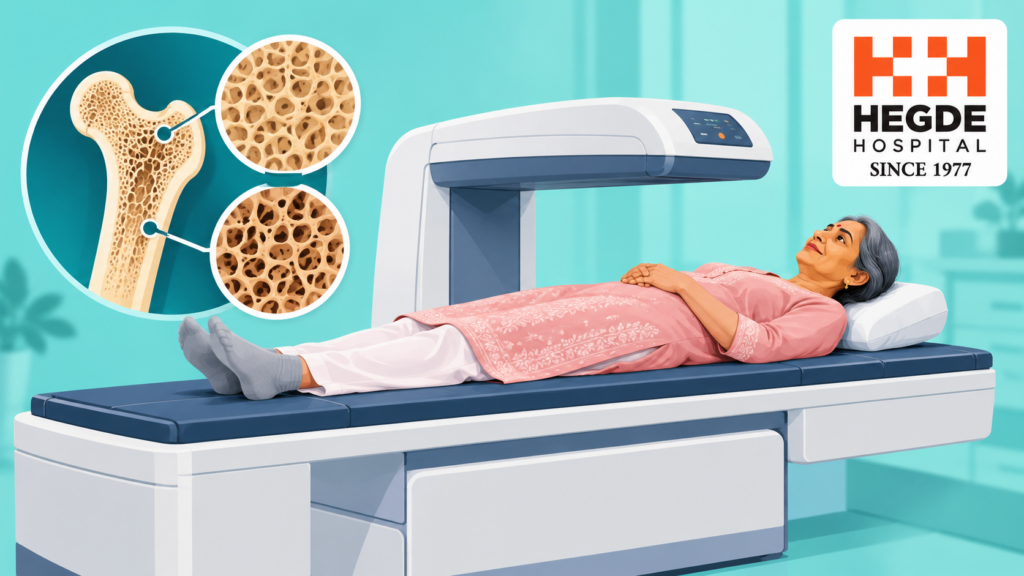
If bone-density assessment has been recommended for a separate fracture-risk question, understand that it is a different test from MRI. Not every back-pain patient needs a bone-density scan either.
What should a follow-up plan include?
Agree on practical goals, such as walking more comfortably or resuming a specific task. Ask when review is planned and what progress would be meaningful. Recovery varies, and a brief flare does not necessarily mean a new injury, but a new pattern should be reported.
At review, describe function, episode frequency and any new leg symptoms. Bring details of the rehabilitation you have been able to follow and any barriers. If the plan is not helping, the diagnosis and next steps can be reconsidered rather than repeating the same approach indefinitely.
Which changes need earlier medical evaluation?
Arrange a routine appointment when repeated pain affects work, sleep or activity. Seek prompt review for worsening symptoms, unexplained weight loss, fever, significant night pain or new weakness. New loss of bladder or bowel control, numbness around the genital or saddle area, or rapidly worsening leg weakness needs urgent medical evaluation. Do not wait for a routine appointment in that situation.
People with a major injury, pregnancy-related concerns or a serious underlying health condition may need a different pathway. Tell the team about these circumstances when arranging the visit rather than assuming a general back-pain guide applies.
Questions patients often ask
Does recurring pain mean a slipped disc?
No. Several patterns can cause lower back pain, and many episodes are non-specific. A disc-related diagnosis needs the symptoms and examination to fit; an image alone does not establish the cause.
Should I get an MRI before seeing the specialist?
Usually it is better to have the clinical question clarified first. The specialist can decide whether imaging would change care and which investigation is appropriate. Bring any existing images and reports.
Can the MRI look abnormal even when the finding is not causing pain?
Yes. Disc and joint changes can occur without symptoms. The clinician interprets the report alongside your pain pattern, examination and function rather than treating every reported change.
Do repeated episodes eventually require surgery?
Not automatically. Many people are managed without an operation. Surgery is a selected decision based on a specific condition and the likely benefits and risks, not the number of episodes alone.
What should I track before a follow-up visit?
Track activities that have become easier or harder, how often pain returns and any new leg symptoms. A short record of function is often more useful than repeatedly checking the pain score without context.
Review the appropriate hospital services and arrange a consultation with your history and previous reports. A clear assessment question and a follow-up plan are the useful starting points.