
Changing periods, sudden warmth and disturbed sleep can occur during the menopause transition. The pattern, your age and other health conditions guide assessment.
Your periods have become less predictable, you wake with sweating, or a sudden wave of warmth interrupts your day. You may wonder whether these changes are menopause or whether a blood test can give a definite answer.
Menopause symptoms can begin while periods are still happening. A clinician considers the pattern, your age, treatment history and other possible explanations. You do not have to wait for periods to stop completely before asking for help.
The direct answer
Perimenopause is the transition around the end of menstrual cycles. Natural menopause is usually recognised after 12 consecutive months without a period, when another cause or hormonal treatment does not explain the absence. In otherwise healthy people aged 45 or over with typical symptoms, diagnosis commonly relies on history rather than a routine hormone panel.
Symptoms vary considerably. Some people have little discomfort; others need support for sleep, mood, hot flushes or vaginal symptoms. Neither age alone nor one missed period confirms the diagnosis.
Perimenopause and menopause: what is the difference?
| Stage or situation | What the pattern may mean | What to discuss |
|---|---|---|
| Periods continue but timing changes | The transition may have begun | Cycle dates, bleeding and symptoms |
| No period for 12 months | Natural menopause may be established | Other causes and hormonal treatment |
| Symptoms or absent periods before 45 | Earlier ovarian changes or another condition need assessment | Whether targeted investigations are appropriate |
| Periods altered by contraception or surgery | Bleeding alone may not identify the stage | The type of treatment or operation |
The timing of natural menopause varies. Avoid comparing yourself with a relative or using an average age as a diagnostic deadline. A hysterectomy, which removes the uterus, and removal of the ovaries are different operations and affect assessment differently.
Which symptoms are worth recording?
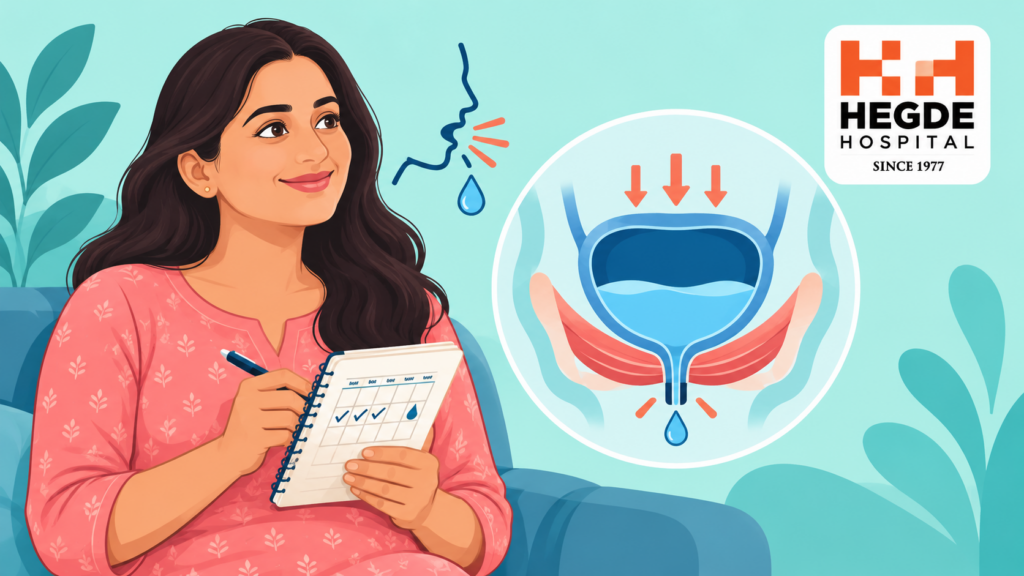
Hot flushes are brief episodes of sudden warmth, often affecting the face, neck or upper body. Night sweats can disturb sleep. You may also notice changes in mood, concentration, vaginal comfort or sexual comfort. Joint aches and tiredness can coexist, but they are not specific enough to identify menopause on their own.
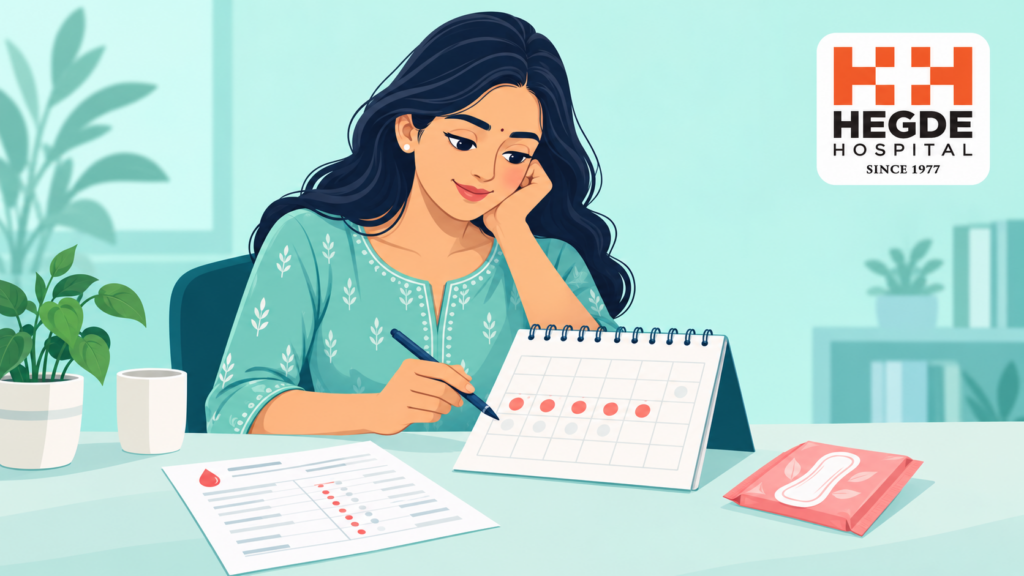
Record the last period, changes in flow, symptoms that affect daily activities and how often sleep is interrupted. Tell the doctor about urinary discomfort, persistent low mood or painful intercourse rather than assuming these concerns must simply be tolerated.
Thyroid problems, anaemia, pregnancy and other conditions can overlap with parts of this picture. A symptom diary helps the consultation; it does not replace an examination or diagnose the cause. Hegde Hospital's Menopause Clinic provides a route to discuss these concerns.
When are blood tests useful?
Hormone levels fluctuate during the transition, so one result may not settle the question. Routine hormone testing is often unnecessary for typical symptoms after 45. A clinician may consider targeted hormone testing in younger people or when the history is unclear. Some hormonal treatments make particular tests difficult to interpret.
Other investigations answer different questions. A blood count may be appropriate with troublesome bleeding or tiredness; thyroid testing may be considered when the symptom pattern suggests it. Glucose, cholesterol or bone assessment depends on personal risk and previous results. These are not a compulsory package for everyone with hot flushes.
For a separate explanation of changing weight and thyroid concerns, see our thyroid and weight guide. Bring the actual previous reports rather than only a message saying they were normal.
Which bleeding changes need medical review?
Irregular timing can occur during perimenopause, but persistent heavy bleeding, bleeding between periods or bleeding after sex deserves assessment. Any bleeding after 12 months without natural periods should be reviewed promptly, even if it is only spotting. It should not automatically be labelled a returning period.
Seek urgent medical assessment for very heavy bleeding with faintness or severe illness. This article concerns planned menopause care; a new severe symptom needs its own medical evaluation.
What can a treatment discussion include?
Start with the symptom that matters most to you and how much it affects daily life. A clinician can explain hormonal and non-hormonal treatment approaches, support for sleep and mood, and options for vaginal or urinary symptoms. Suitability depends on your history, preferences and individual risks; one approach does not suit everyone.
This is also a useful time to discuss heart and bone health, physical activity suited to your abilities and any difficulty maintaining usual routines. Long-term health assessment and symptom relief are related but separate goals. Do not start treatment or products advertised for menopause based on a symptom list online.
If persistent knee pain is limiting activity, it may need a separate knee osteoarthritis assessment, rather than being attributed automatically to hormonal changes.
What should happen at follow-up?
Agree which symptoms will be reviewed, how you will judge benefit, and when to return if the plan is not helping. New bleeding or a changed symptom pattern may require earlier assessment. Follow-up should consider treatment effects, daily function and your priorities, not only a laboratory number.
Take your period record, previous operations, current treatment list and questions to the visit. You can request an appointment for an individual review.
Frequently asked questions
Can menopause symptoms start before periods stop?
Yes. Hot flushes, sleep changes and irregular cycles can occur during perimenopause while periods continue. The overall pattern and other possible causes still need consideration.
Does every woman need a hormone blood test?
No. Typical symptoms in otherwise healthy people aged 45 or over can often be assessed clinically. Younger age, an uncertain history or particular treatments may change the investigation plan.
Does one missed period mean menopause?
No. A missed period has several possible explanations. Natural menopause is usually recognised after 12 consecutive months without periods when another cause does not explain it.
Should spotting after menopause be checked?
Yes. Arrange prompt medical review even if the amount is small or it happens only once. The cause cannot be identified safely from the amount of bleeding alone.
Must I wait until symptoms become severe?
No. A routine consultation is reasonable when changes affect sleep, comfort, mood or daily activities. Earlier discussion can clarify the cause and help you make an informed care plan.