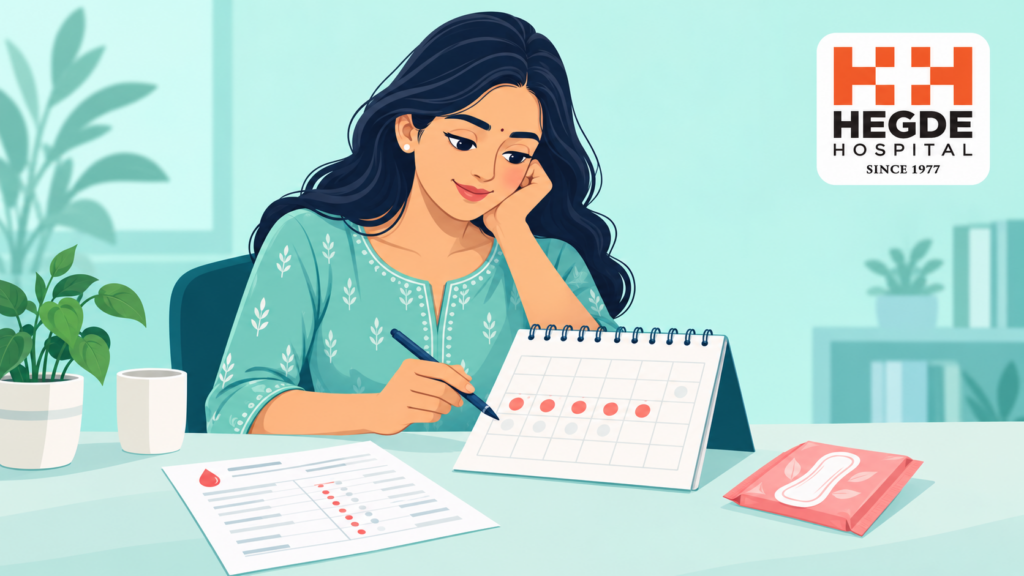
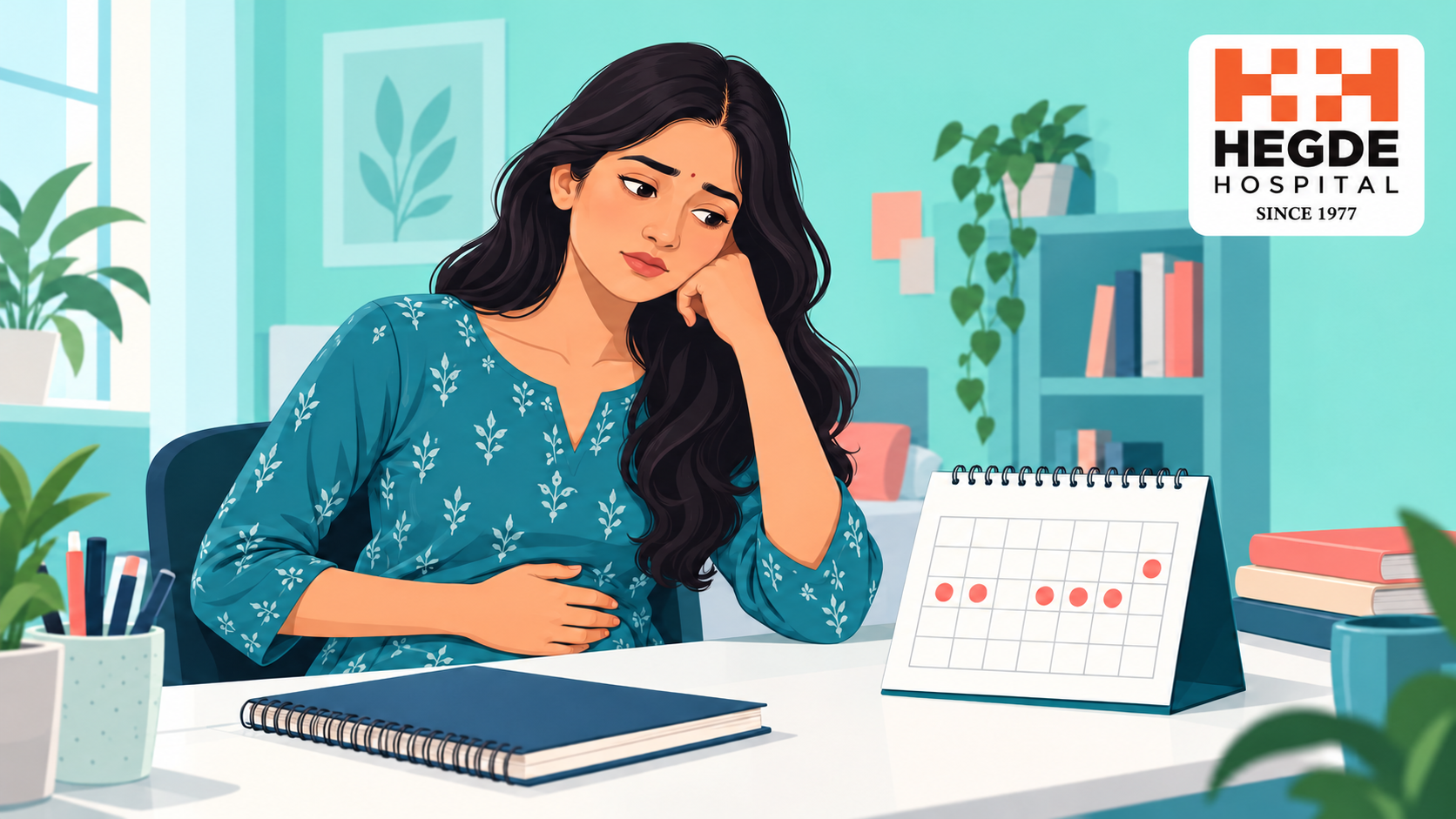
Recurring cramps that interrupt ordinary life deserve a conversation with a doctor. The pattern of pain helps guide examination, tests and follow-up.
Missing a class, cancelling work or repeatedly waking at night because of period pain is worth discussing with a doctor. The fact that cramps return every month does not mean you must simply put up with them.
Severe period pain is assessed by its effect on your life, its timing and accompanying symptoms. A pain score can help, but the number of activities you cannot do is equally useful. This guide concerns recurring menstrual pain and planned assessment.
In simple terms
Some cramps occur without an underlying pelvic condition. Others can be associated with endometriosis, adenomyosis or fibroids. Symptoms alone cannot identify the cause. Examination, appropriate imaging and response to a clinician's treatment plan help determine what comes next. A normal ultrasound does not rule out every cause of pain.
What pattern should you tell the doctor about?
Write down when discomfort begins in relation to bleeding, how many days it lasts and whether you are comfortable between periods. Note whether the pattern has changed, rather than trying to judge it against someone else's experience.
Pain that becomes progressively worse, starts well before bleeding or continues afterwards needs particular discussion. Pain with sex, bowel movements or urination, especially when it follows a monthly pattern, also matters. Tell the doctor about heavy menstrual bleeding or bleeding between periods. These details help direct the assessment without proving a particular diagnosis.
How do primary and secondary period pain differ?
Primary dysmenorrhoea means menstrual cramps without an identified pelvic disease. Contractions of the uterus and substances involved in menstruation contribute. Secondary dysmenorrhoea means pain associated with another condition. The distinction is useful for deciding on tests; it cannot be made from age or severity alone.
| Pattern | What it can mean for review |
|---|---|
| Cramps mainly around the start of bleeding | May fit primary period pain, depending on the history |
| Pain worsening over time or extending beyond bleeding | Consider further assessment for an underlying cause |
| Cyclical bowel, bladder or sexual pain | Discuss possible endometriosis and other explanations |
| Pain with heavy bleeding or pressure | Assess for causes such as fibroids or adenomyosis |
Several patterns can overlap. Endometriosis involves tissue similar to the womb lining outside the uterus. Adenomyosis involves such tissue within the uterine muscle. Neither can be diagnosed from an online symptom checklist.
What happens at a consultation?
The clinician asks about cycle dates, bleeding, pain, previous treatment, other health conditions and any possibility of pregnancy. Bring past scan reports and a list of treatments already tried. You can ask to discuss sensitive information privately.
An abdominal examination may be useful. An internal examination is offered only when appropriate, with an explanation and consent. You can ask about a chaperone and discuss concerns before agreeing. A younger patient's assessment should be suitable for their age and circumstances.
Tests are chosen for the clinical question. Blood tests may be needed if bleeding suggests anaemia. Pregnancy or infection testing depends on the history. There is no single blood test that confirms the cause of all menstrual pain.
When is ultrasound useful, and what can it miss?
Ultrasound may identify fibroids, ovarian cysts or features suggesting adenomyosis or some forms of endometriosis. When endometriosis is suspected, imaging can be appropriate even if the examination is normal. The clinician should explain whether an internal scan is suitable; an abdominal scan can be considered when it is unsuitable or declined.
A normal scan does not exclude endometriosis. Persistent or recurring symptoms still deserve follow-up. Specialist ultrasound or MRI may be used for a particular question, especially suspected deeper disease. They are not a compulsory package for everyone with cramps.
Laparoscopy uses a camera through small abdominal incisions to inspect the pelvis. It may be discussed when the history and previous findings warrant it, including selected patients with normal imaging. Discuss its purpose, limitations and risks before consenting. An operation is not automatically the first step.
How is treatment chosen?
Treatment depends on the likely cause, symptoms, medical history and personal priorities. A doctor may discuss treatment to reduce pain or control menstrual symptoms, then review its benefit and tolerability. This page does not select medicines, doses or a regimen.
If symptoms continue despite an appropriate plan, return for review rather than repeatedly changing treatment yourself. Ask whether the diagnosis needs reconsidering or a specialist assessment is appropriate. Improvement in attendance, sleep and everyday activity is useful evidence of progress.
If pregnancy is a current concern, say so before a treatment decision. Fertility assessment is a separate question: the Hegde network's fertility service is the appropriate route for conception or IVF planning. Period pain alone does not establish infertility.
When should the appointment be brought forward?
Arrange a routine gynaecology visit for recurring pain that disrupts daily life. Seek prompt review for a new or worsening pattern, pain outside periods, unusual discharge or bleeding between periods. Sudden severe pain, fainting, or pain with possible pregnancy needs urgent medical evaluation. These situations should not wait for a routine appointment.
Frequently asked questions
Does severe period pain always mean endometriosis?
No. Several conditions and primary menstrual cramps can cause substantial pain. A clinician uses the full history and appropriate tests to investigate the cause.
Can my scan be normal even when the pain is real?
Yes. Some causes, including some forms of endometriosis, are not excluded by a normal ultrasound. Persistent symptoms should be reviewed.
Must everyone with period pain have an internal examination?
No. The decision depends on age, history and the clinical question. The doctor should explain any proposed examination and obtain consent.
Should I wait until I want a pregnancy to seek help?
No. Pain that disrupts life deserves assessment regardless of pregnancy plans. Mention those plans because they can affect treatment choices.
What should I bring to the next visit?
Bring cycle dates, a short symptom diary, previous reports and details of treatments already tried. Note the specific activities or sleep affected.
Use the next gynaecology consultation to agree on the next question to investigate and a review date. You can request an appointment with your records rather than waiting for another difficult cycle.