
%20(1).jpeg)
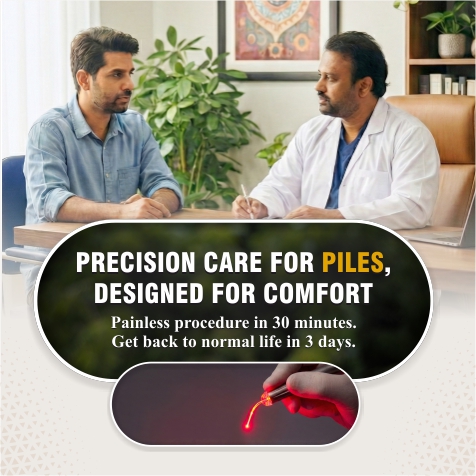
Consult Now
By submitting this form, you agree to be contacted by Hegde Hospital for further information. View our Privacy Policy.


Piles (Hemorrhoids): Symptoms, Causes & Treatment Options
Why piles happen—and why early care matters
Piles often develop due to constipation, straining, low-fibre diet, prolonged sitting, pregnancy, or obesity. Early care helps reduce discomfort, prevent worsening, and avoid complications like thrombosis or persistent bleeding.
Common signs and symptoms of piles
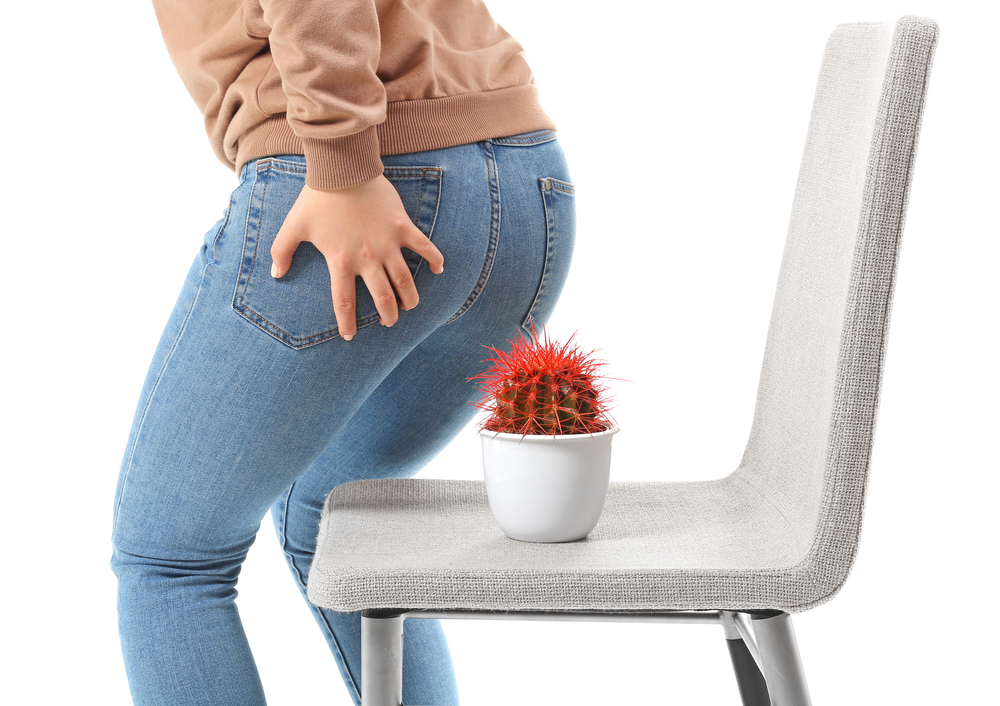
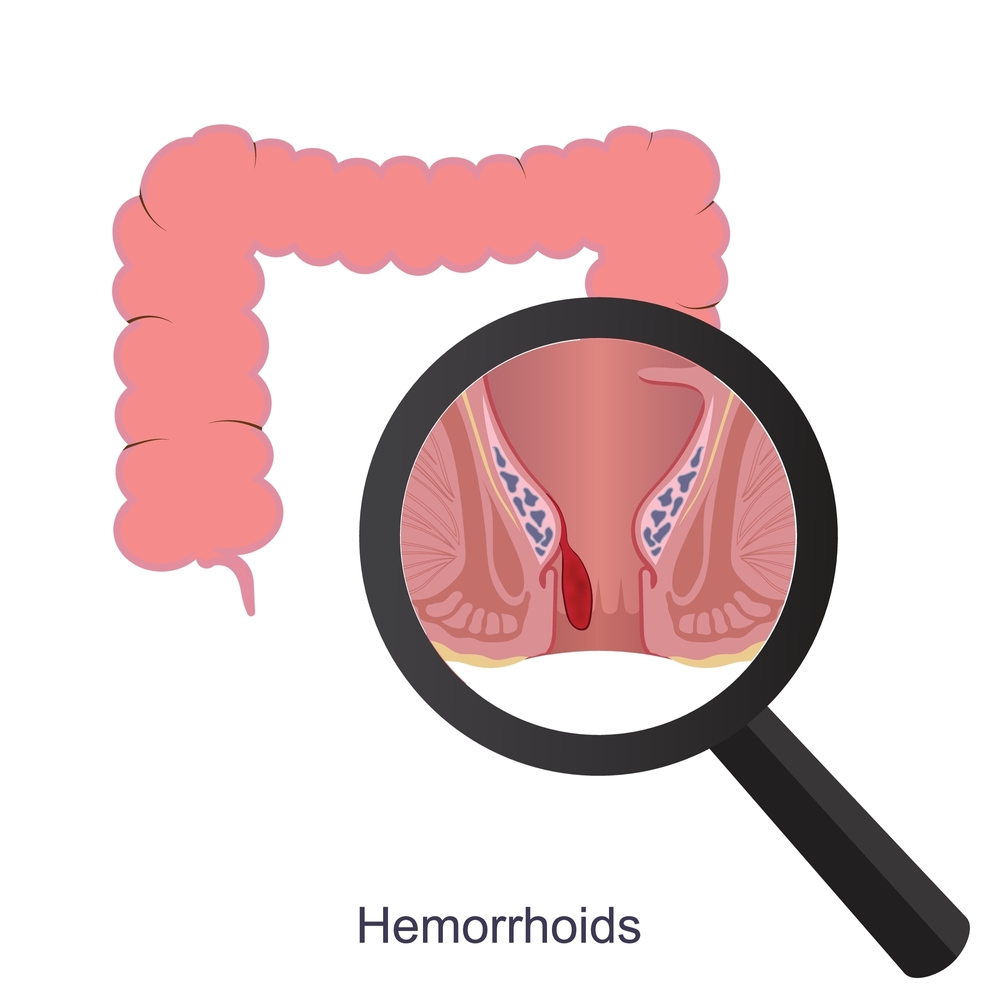
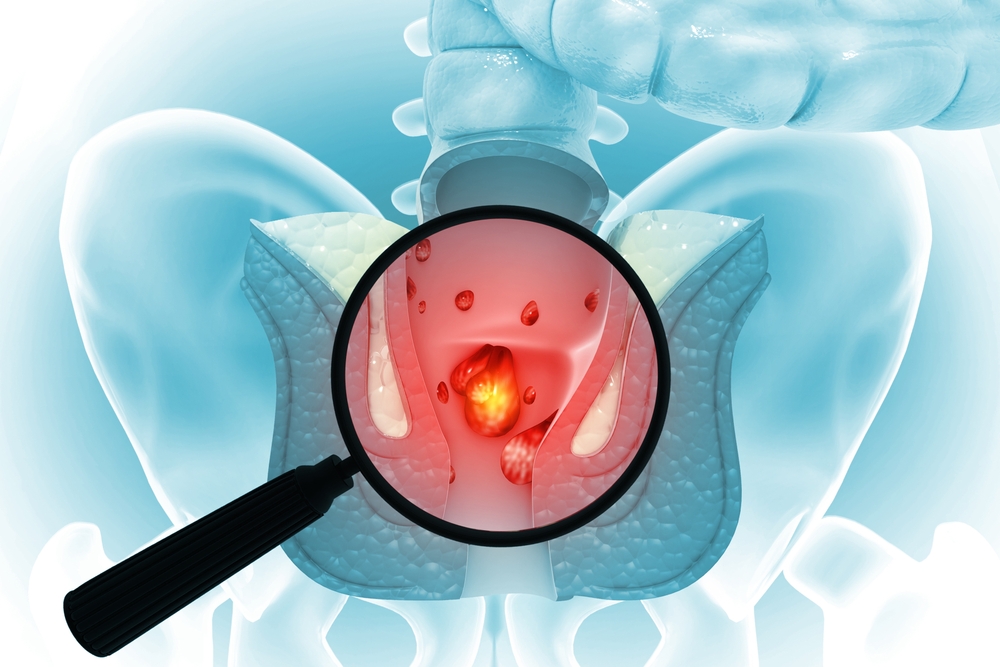
Piles symptoms vary depending on whether they are internal or external. Internal piles may bleed without much pain, while external piles can be painful—especially if thrombosed.
Piles grades (internal hemorrhoids) and what they mean
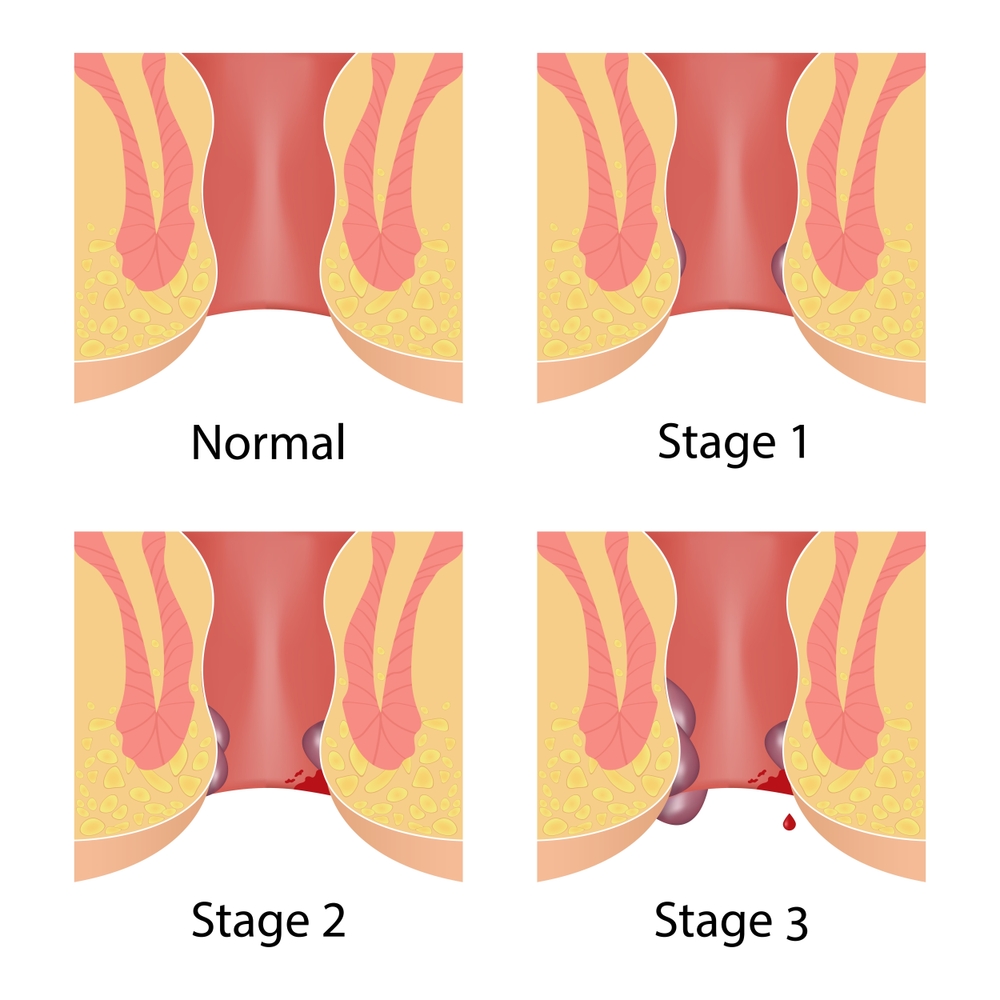
Internal piles are commonly classified by how much they prolapse (come out) and whether they go back in on their own.
- Grade I: Bleeding, no prolapse
- Grade II: Prolapse during stools, goes back on its own
- Grade III: Prolapse and needs manual pushing back
- Grade IV: Permanently prolapsed, cannot be pushed back (often painful)
What can trigger or worsen piles
Piles may worsen due to chronic constipation or diarrhoea, low fibre diet, heavy lifting, obesity, pregnancy, prolonged sitting/standing, and inadequate hydration. Treating the root cause is key to long-term relief.
Common treatment options for piles
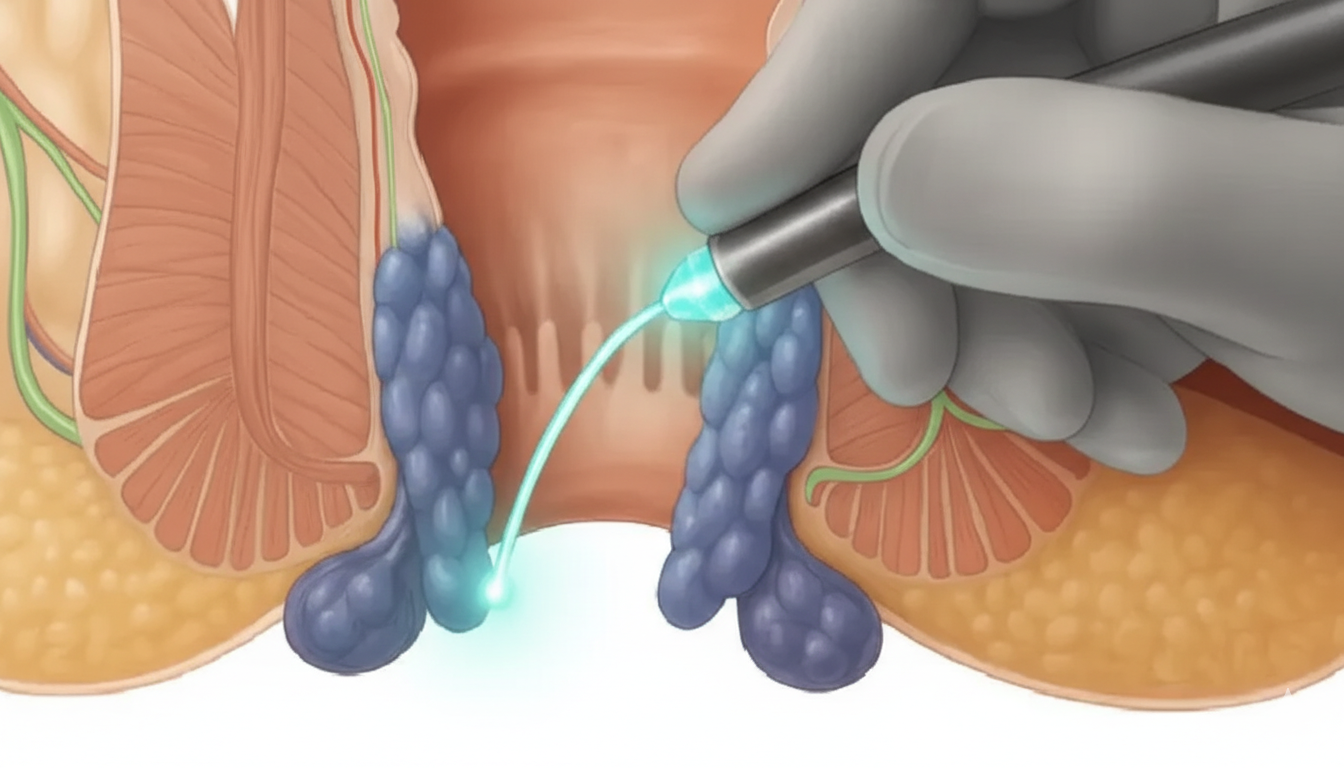
Treatment depends on symptoms and grade. Many patients improve with medicines and lifestyle changes; some may need a procedure for quicker relief and long-term control.
- Lifestyle & diet: fibre, fluids, stool softeners, sitz baths
- Medicines: ointments, pain relief, anti-inflammatory support
- OP procedures: banding / injection / coagulation (selected cases)
- Advanced options: laser or stapled procedures (for suitable grades)

When piles need urgent medical attention
Seek medical care if you have heavy bleeding, severe pain, fever, dizziness, black stools, or a painful lump that suddenly appears. Also consult if symptoms persist despite home care—safe, effective treatment is available.
Who should consult—and how piles are diagnosed
Consult if you have bleeding during stools, itching, pain, swelling, or a lump near the anus. Diagnosis usually includes a clinical examination; in some cases, an anoscopy/proctoscopy may be advised. If bleeding is significant or age is higher, your doctor may recommend additional tests to rule out other causes.

TRUSTED BY 10K+ FAMILIES — REAL REVIEWS ON PILES
Patient experiences from Google Reviews

Advanced Piles Care
Relief, Comfort & Faster Recovery
Expert consultation, modern treatment options, and compassionate support—every step of the way.
Hegde Hospital, Madhapur
Advanced care • 24×7 emergency • Trusted by thousands
Visit Us
67/68, Vittalrao Nagar,
Hitec City, Madhapur,
Hyderabad – 500081






Frequently Asked Questions about Piles (Hemorrhoids)
What are piles (hemorrhoids)?
What are the common symptoms of piles?
What causes piles?
Are piles dangerous? When should I see a doctor?
How are piles diagnosed?
What are the treatment options for piles?
Is laser treatment for piles safe? Is it painful?
How long does recovery take after piles treatment?
Can piles come back? How can I prevent recurrence?
What is the cost of piles treatment in Hyderabad?
Consult Now
By submitting this form, you agree to be contacted by Hegde Hospital for further information. View our Privacy Policy.