
.jpeg)
Consult Now
By submitting this form, you agree to be contacted by Hegde Hospital for further information. View our Privacy Policy.


Anal Fistula: Symptoms, Causes & Treatment Options
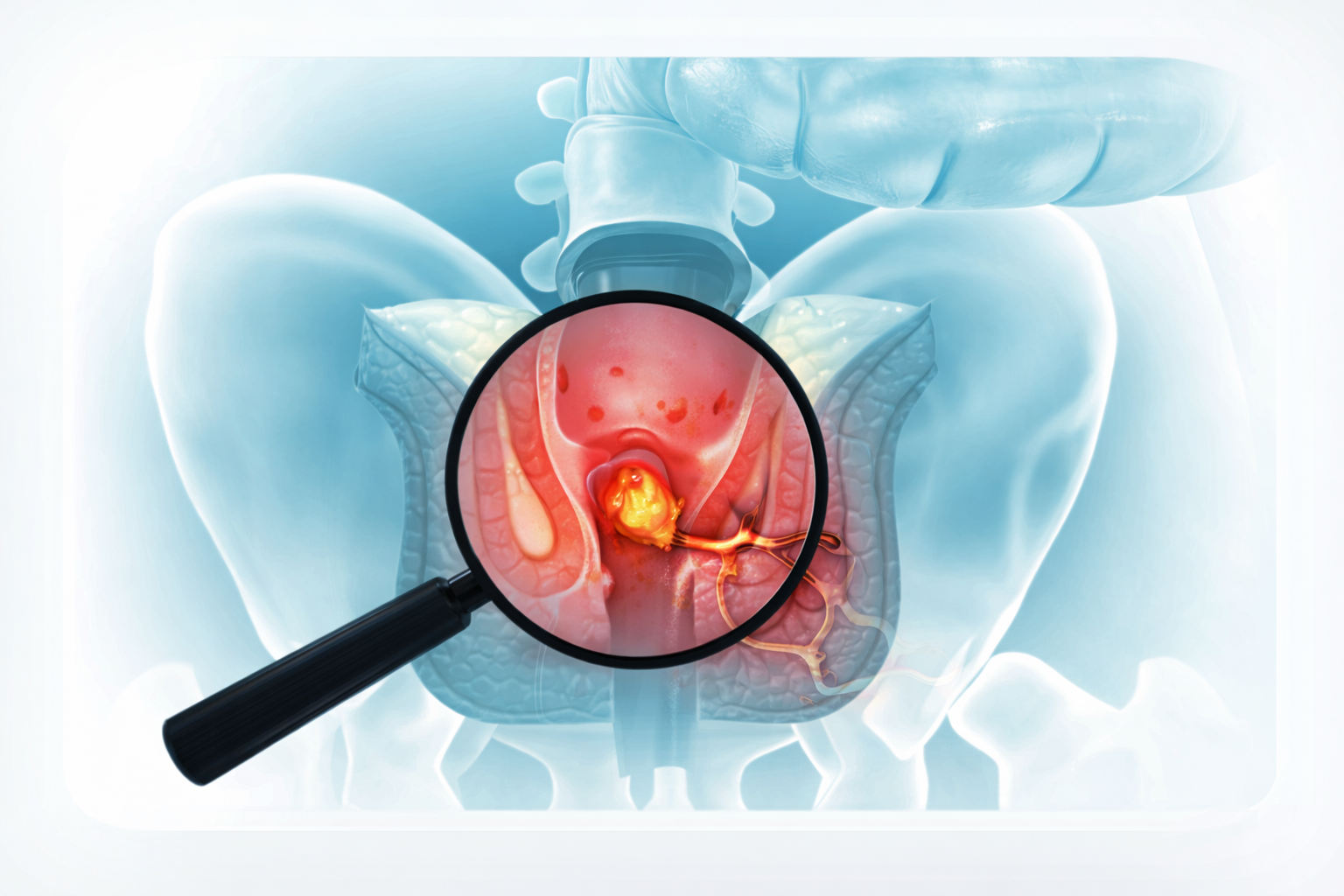
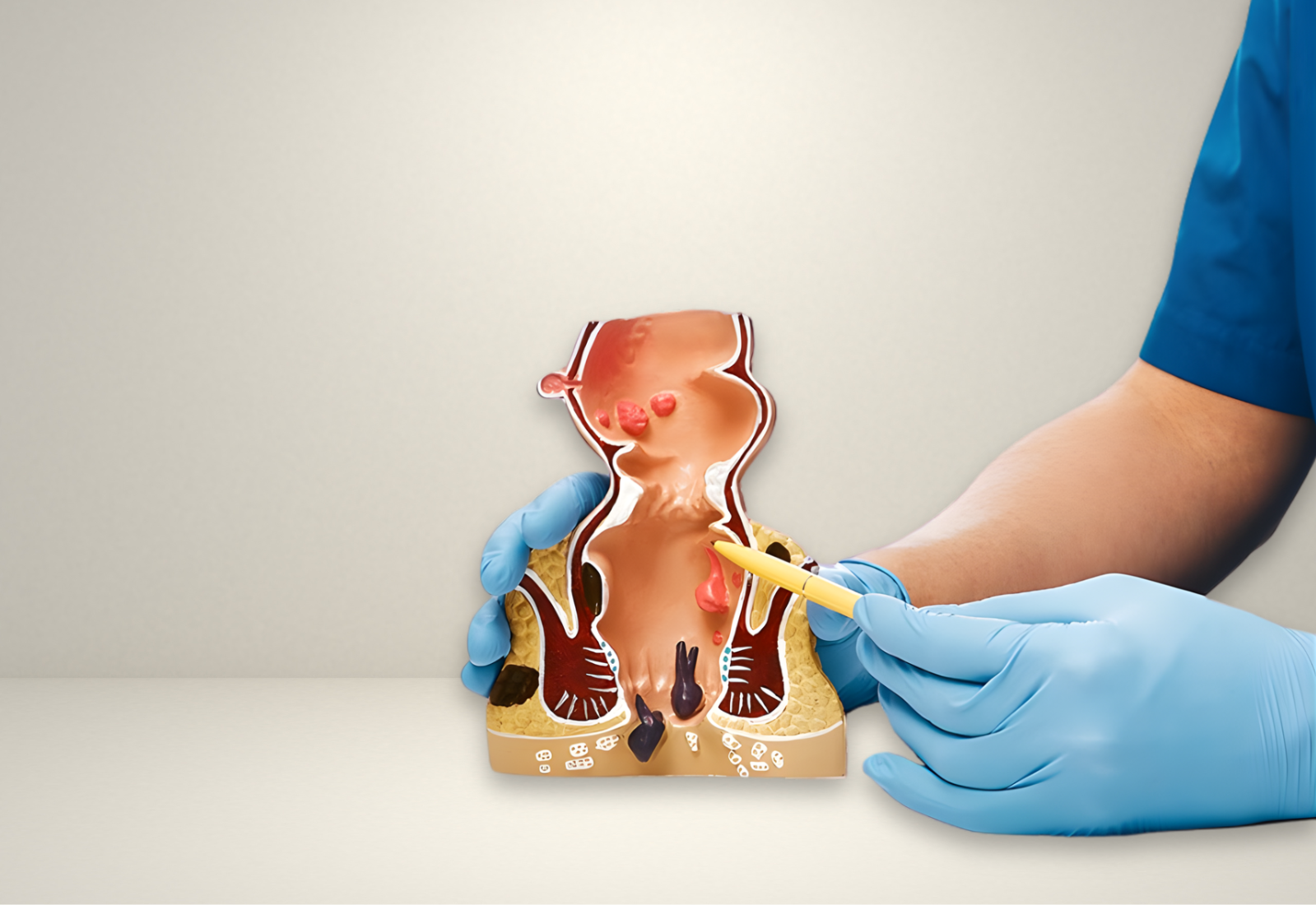
An anal fistula is a see small tunnel-like tract that forms between the skin near the anus and the inside of the anal canal—often after an infection or abscess. With the right evaluation, fistula can be treated safely, ranging from medicines and drainage to minimally invasive procedures. If you are searching for advanced anal fistula treatment or a trusted fistula hospital near me, our center offers precise mapping and modern protocols tailored for high success rates.
What fistula is—and why early care matters
Most fistulas start after an anal abscess (pus collection) that drains but doesn’t heal completely, leaving a persistent tract. Early treatment reduces repeated infections, ongoing discharge, and complications, and helps preserve normal sphincter function.

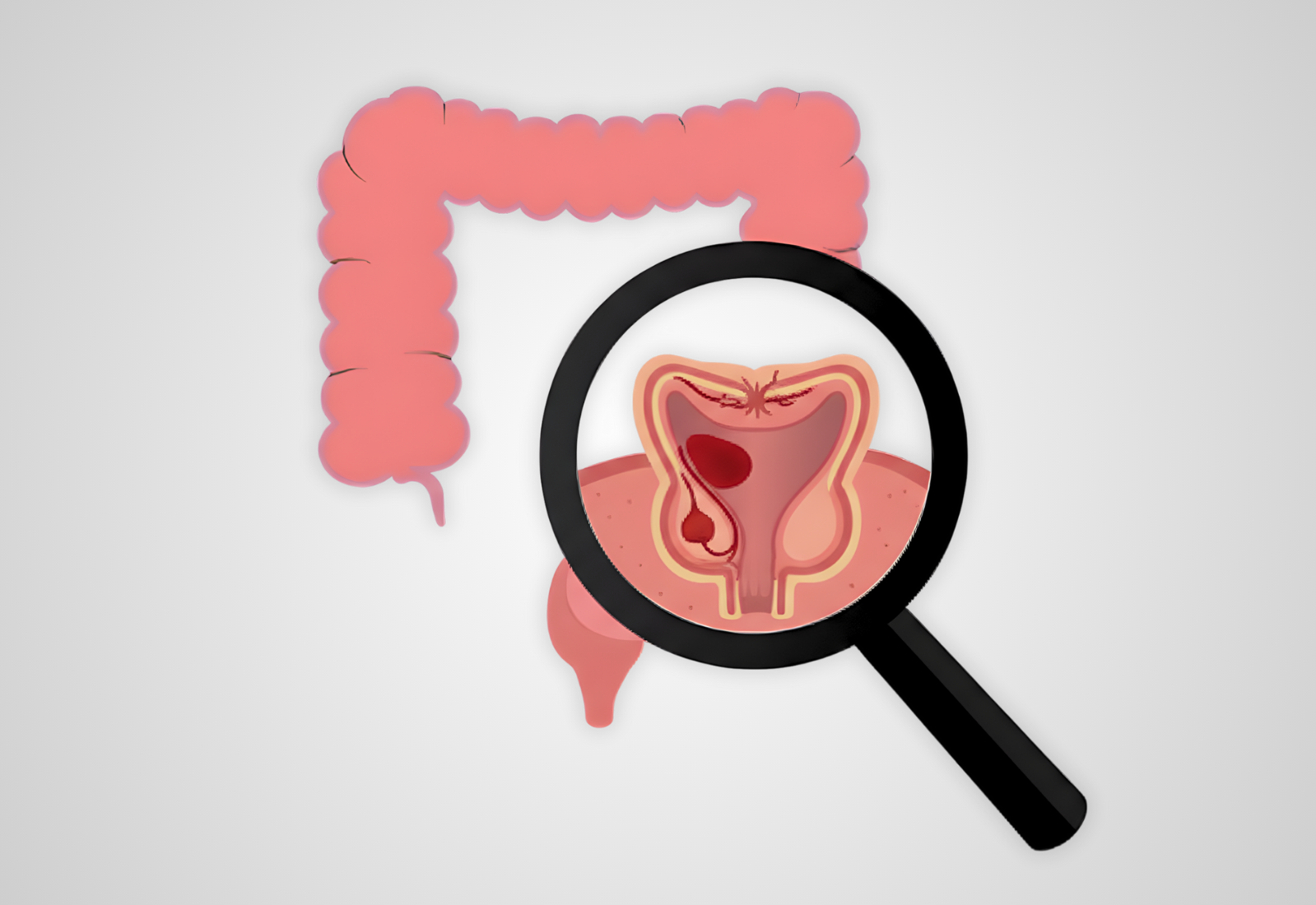
Common signs and symptoms of fistula
Symptoms often include recurrent swelling near the anus, pain that worsens while sitting or passing stools, and persistent discharge (pus or blood) staining undergarments. Some people experience fever during flare-ups or repeated abscess formation.
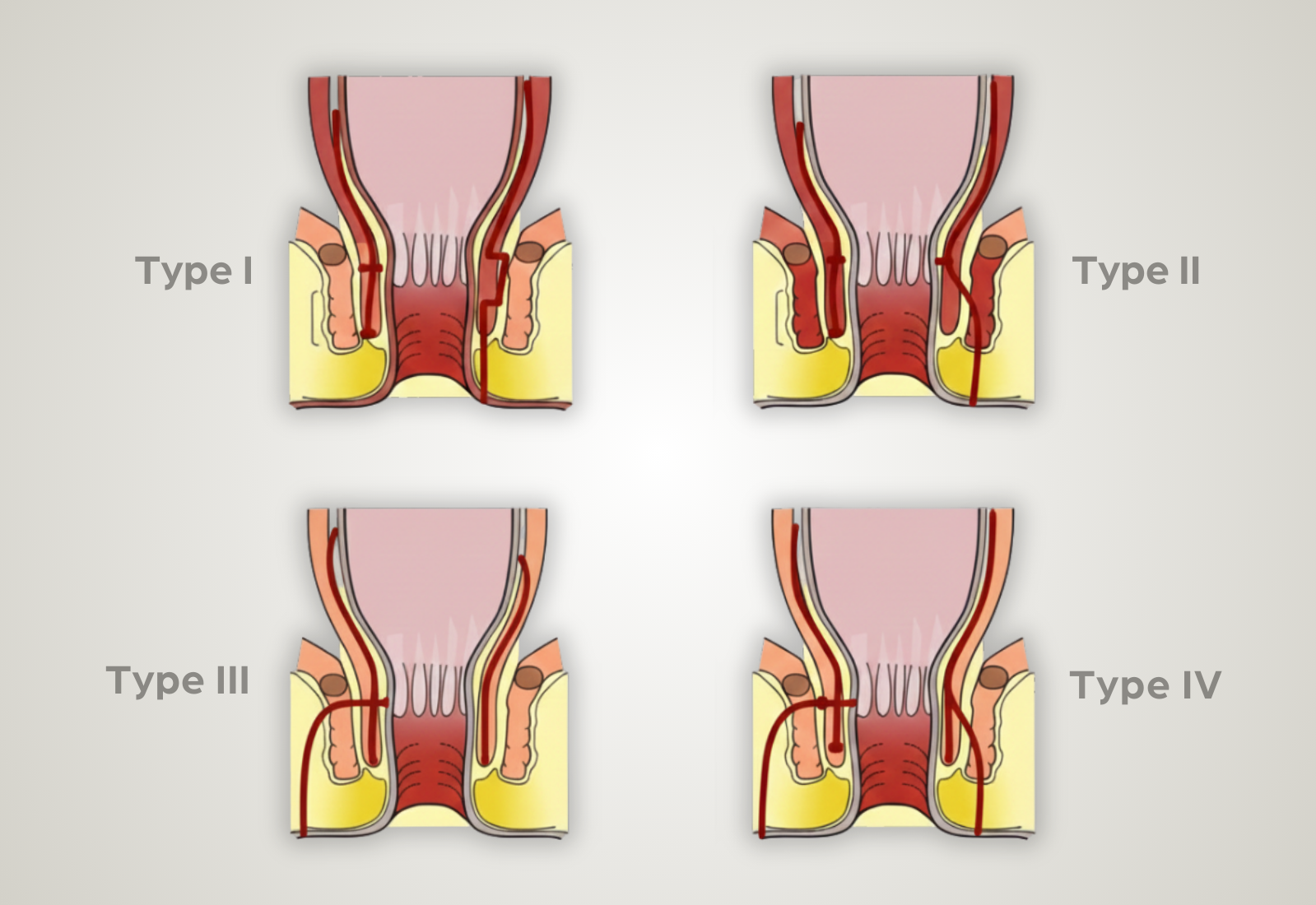
Fistula types and why the “track” matters
Fistulas are classified based on how the tract passes through or around the anal sphincter muscles. Identifying the type helps choose the safest treatment and reduce recurrence.
- Low / simple fistula: tract involves minimal sphincter muscle
- High / complex fistula: tract crosses more sphincter muscle or has branches
- Multiple tracts: more than one external opening or branching paths
- Associated conditions: may occur with recurrent abscess, diabetes, IBD (selected cases)
What causes a fistula—and what can worsen it
The most common cause is an infection of anal glands leading to an abscess, which later forms a tract. Delay in treatment can lead to repeated abscesses and branching tracts. Certain conditions like Crohn’s disease can increase risk in some patients.
Common treatment options for fistula
Treatment depends on the fistula’s path (simple vs complex), infection status, and sphincter involvement. The goal is to cure the fistula while protecting continence and reducing recurrence.
- Abscess drainage: urgent relief if pus collection is present
- Fistulotomy: for suitable low/simple fistulas
- Seton technique: helps control infection and protect sphincter (selected cases)
- Advanced options: laser / sphincter-sparing procedures for complex tracts

When fistula needs urgent medical attention
Seek care if you have fever, increasing pain, spreading swelling, continuous pus discharge, or recurrent abscess episodes. Also consult if you notice a non-healing wound near the anus—early diagnosis can prevent the tract from becoming more complex.
Who should consult—and how fistula is diagnosed
Consult if you have repeated boils/abscess near the anus, persistent discharge, pain, or a small opening on the skin that doesn’t heal. Diagnosis includes a clinical exam; depending on the case, your doctor may advise imaging like MRI/endoanal ultrasound to map the tract before planning treatment. Finding a qualified fistula specialist near me or the best fistula doctor ensures an accurate initial assessment and prevents complex tract branching.

TRUSTED BY 10K+ FAMILIES — REAL REVIEWS ON FISTULA
Patient experiences from Google Reviews

Advanced fistula Care
Relief, Comfort & Faster Recovery
Expert consultation, modern treatment options, and compassionate support—every step of the way.
Hegde Hospital, Madhapur
Advanced care • 24×7 emergency • Trusted by thousands
Visit Us
67/68, Vittalrao Nagar,
Hitec City, Madhapur,
Hyderabad – 500081






Frequently Asked Questions about Fistula (Anal Fistula)
What is an anal fistula?
What are the common symptoms of fistula?
What causes an anal fistula?
Is fistula serious? When should I see a doctor?
How is fistula diagnosed?
What are the treatment options for fistula?
Is laser treatment for fistula safe? Is it painful?
How long does recovery take after fistula treatment?
Can fistula come back? How can recurrence be reduced?
What is the cost of fistula treatment in Hyderabad?
Consult Now
By submitting this form, you agree to be contacted by Hegde Hospital for further information. View our Privacy Policy.