
Consult Now
By submitting this form, you agree to be contacted by Hegde Hospital for further information. View our Privacy Policy.


Anal Fissure: Symptoms, Causes & Treatment Options
Why fissures happen—and why early care matters
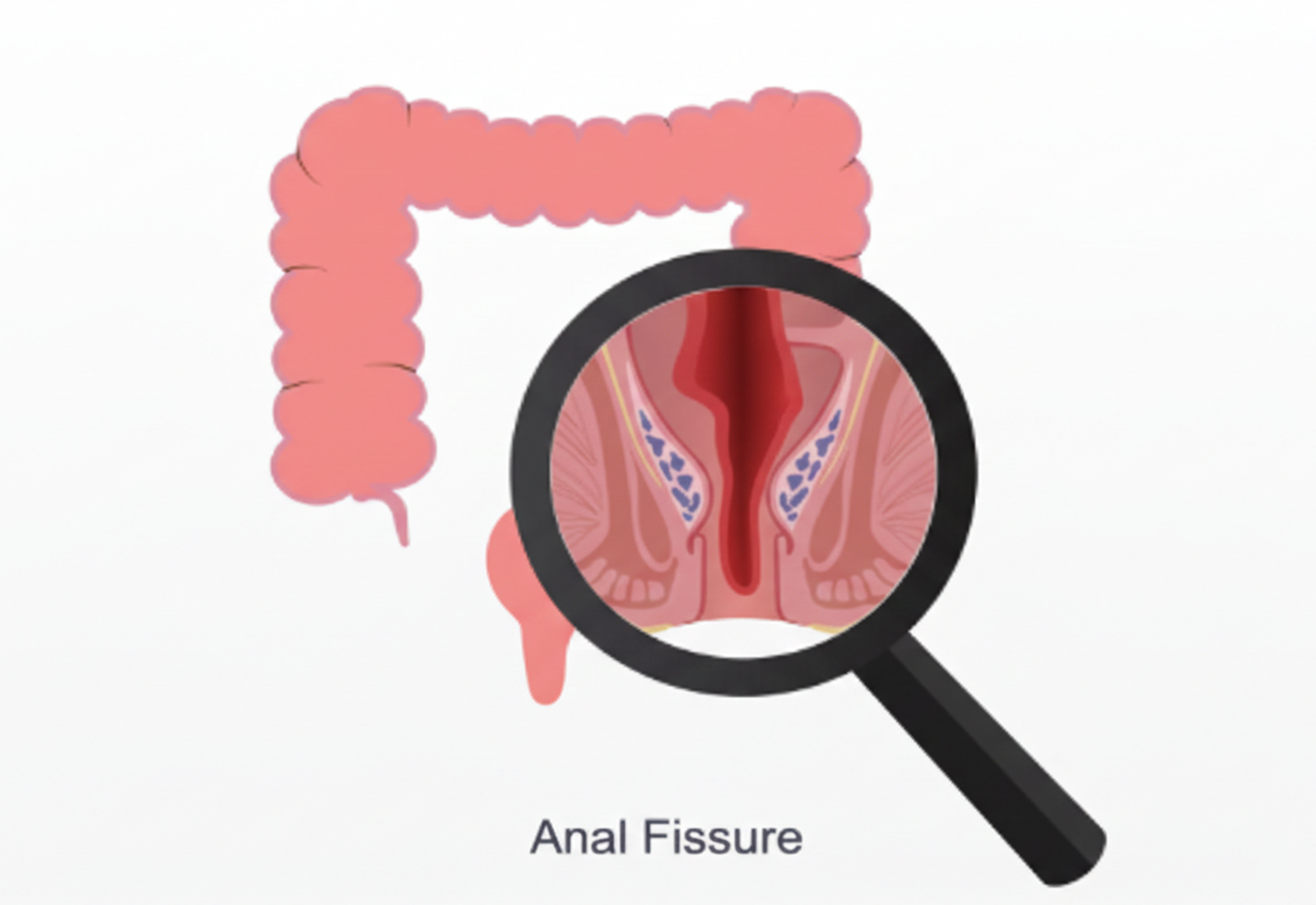
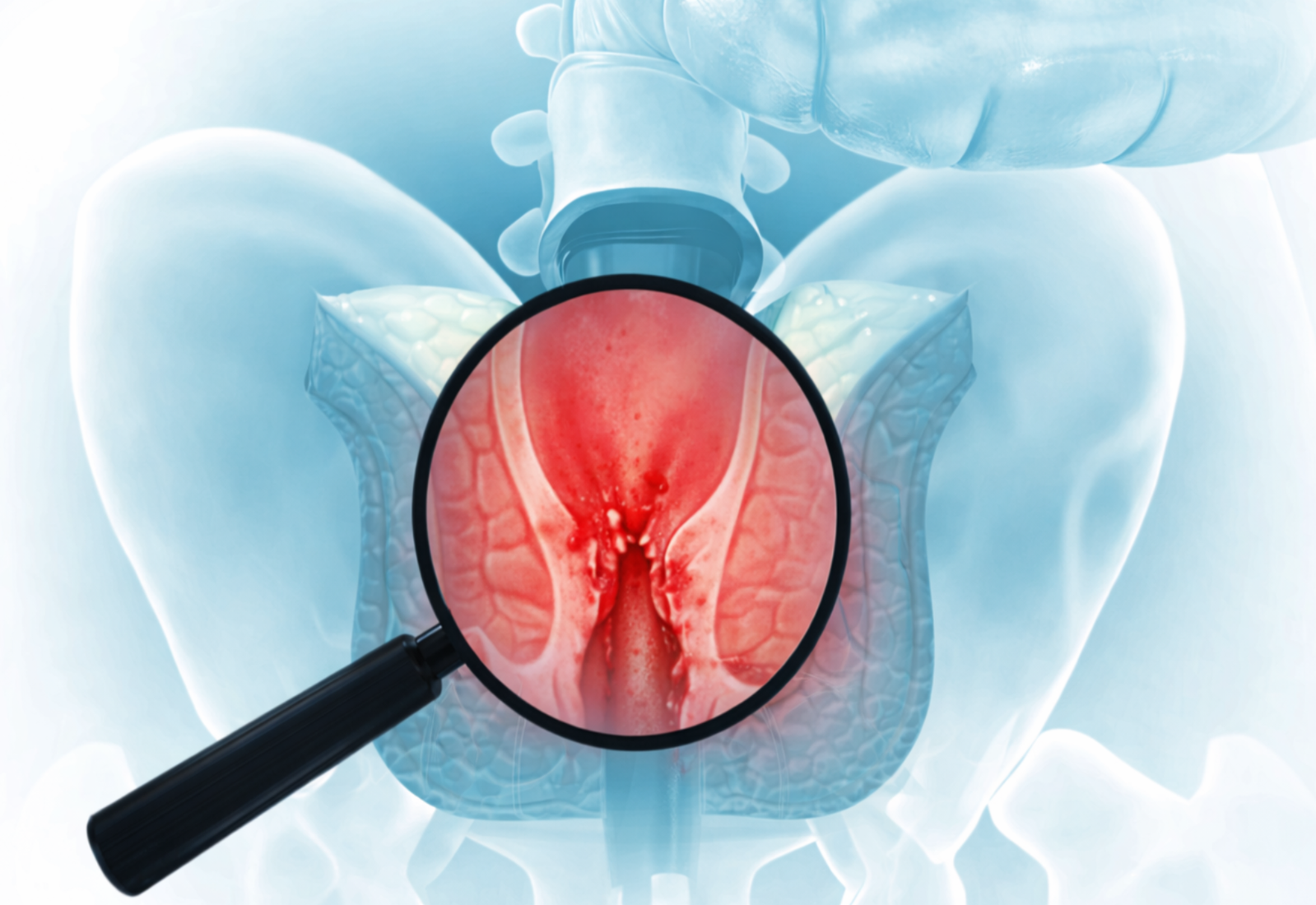
Fissures often occur due to hard stools, constipation, and straining, which cause a tear in the anal lining. Early care reduces pain, prevents spasm, and helps the fissure heal faster—so it doesn’t become chronic.
Common signs and symptoms of fissure
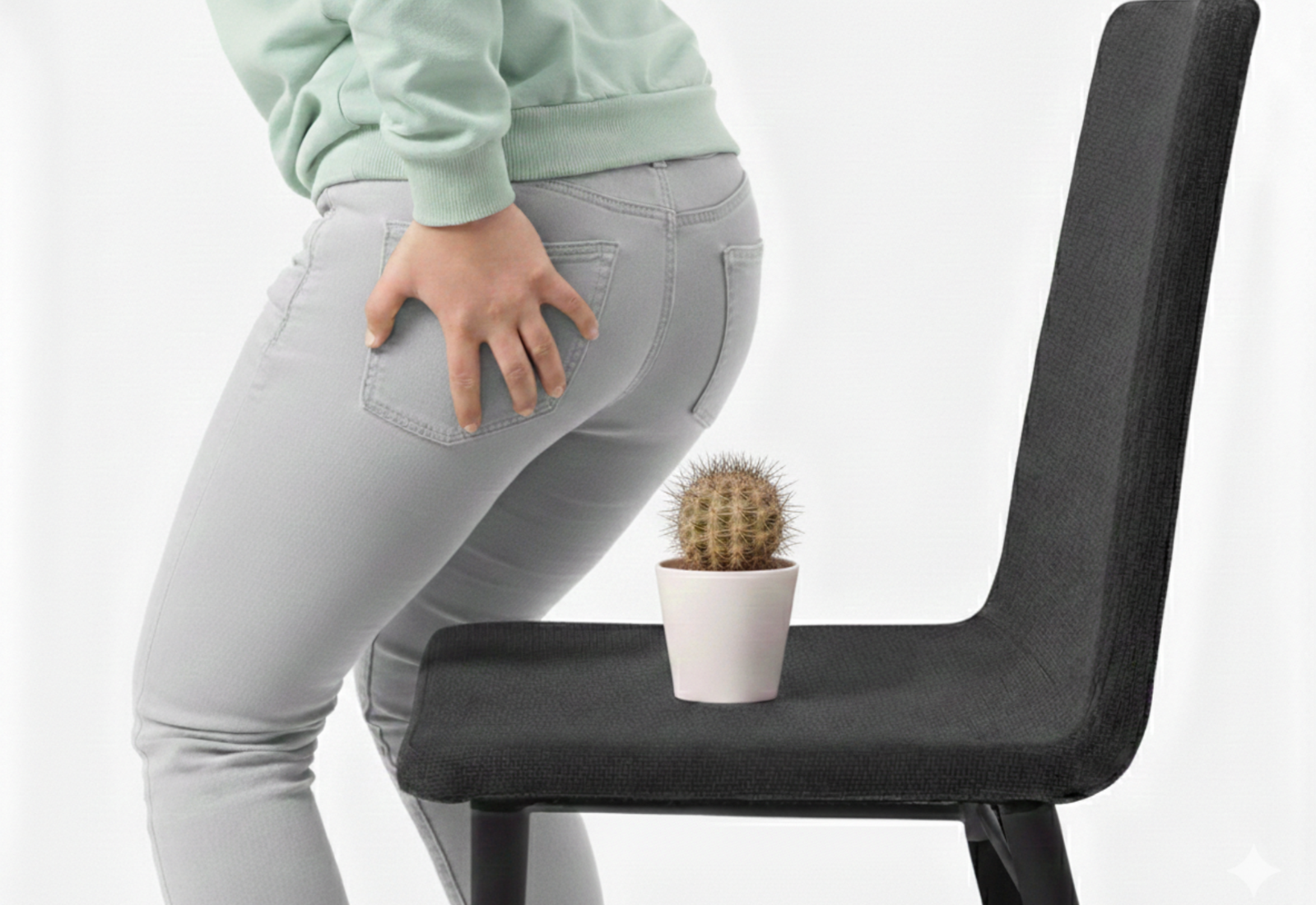
Typical symptoms include severe burning or cutting pain during stools, pain that can last for hours after passing stools, bright red bleeding, and a fear of bowel movement due to pain. Some people notice itching or a small skin tag.
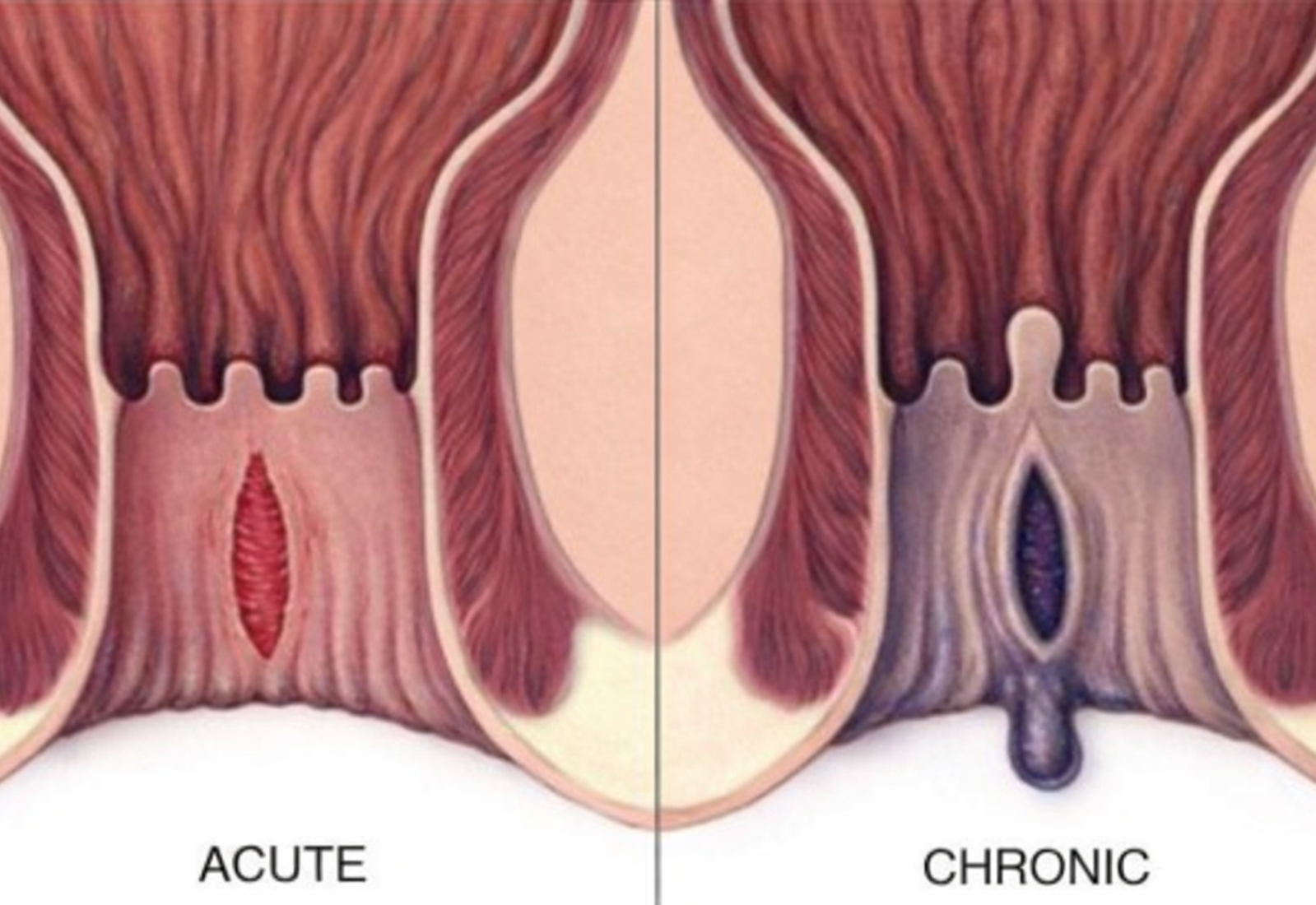
Acute vs chronic fissure—and what it means
Fissures are commonly classified by duration and healing pattern. Early-stage fissures often heal with conservative care, while long-standing fissures may need advanced treatment.
- Acute fissure: New tear, usually heals in 1–6 weeks with proper care
- Chronic fissure: Lasts > 6 weeks, may have skin tag/sentinel pile
- Spasm-related pain: Tight sphincter muscle delays healing and increases pain
- Recurrent fissure: Repeated episodes, often linked to constipation or hard stools
What can trigger or worsen fissure
Fissures may worsen due to constipation, hard stools, straining, low fibre intake, dehydration, prolonged sitting, and repeated diarrhea. Persistent muscle spasm reduces blood flow and delays healing—treating the root cause is key for long-term relief.
Common treatment options for fissure
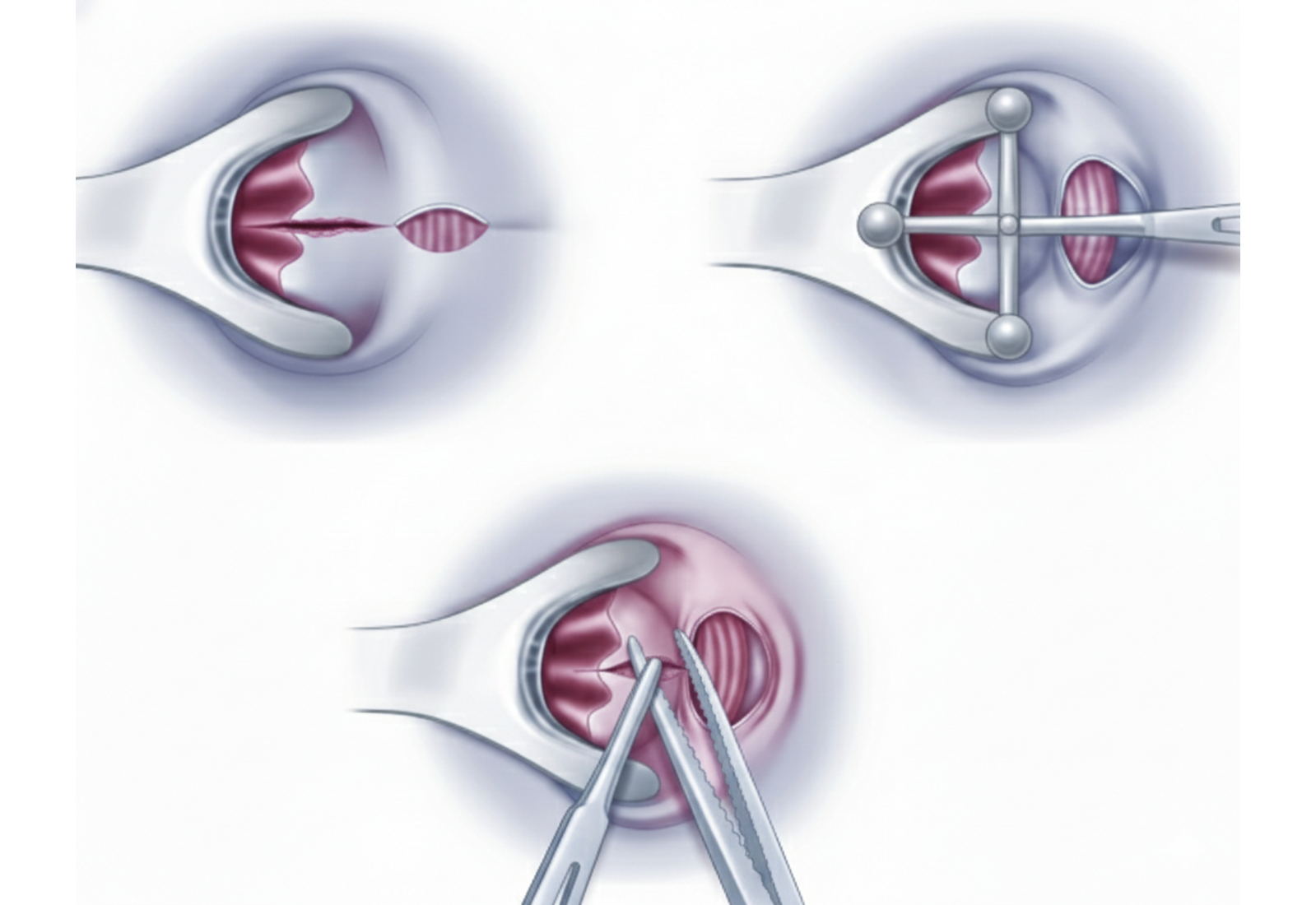
Treatment depends on whether the fissure is acute or chronic. Many patients improve with medicines and lifestyle changes; persistent fissures may need a procedure for faster healing and long-term relief.
- Lifestyle & diet: fibre, fluids, stool softeners, sitz baths
- Medicines: topical healing creams, pain relief, spasm-relief ointments
- Address constipation: regular bowel habits and hydration support
- Advanced options: procedures for chronic fissure (as advised by doctor)

When fissure needs urgent medical attention
Seek medical care if you have severe pain, heavy bleeding, fever, worsening swelling, pus discharge, or symptoms that persist beyond 1–2 weeks despite home care. Also consult if pain is preventing bowel movements—effective treatment is available.
Who should consult—and how fissure is diagnosed
Consult if you have pain during stools, bleeding, burning, or repeated episodes of constipation with severe anal pain. Diagnosis is usually done with a clinical examination. In some cases, further evaluation may be advised to rule out other causes of bleeding or pain—especially if symptoms are recurrent or atypical.

TRUSTED BY 10K+ FAMILIES — REAL REVIEWS ON FISSURE
Patient experiences from Google Reviews

Advanced Fissure Care
Relief, Comfort & Faster Recovery
Expert consultation, modern treatment options, and compassionate support—every step of the way.
Hegde Hospital, Madhapur
Advanced care • 24×7 emergency • Trusted by thousands
Visit Us
67/68, Vittalrao Nagar,
Hitec City, Madhapur,
Hyderabad – 500081



Frequently Asked Questions about Anal Fissure
What is an anal fissure?
What are the common symptoms of anal fissure?
What causes an anal fissure?
Is anal fissure dangerous? When should I see a doctor?
How is an anal fissure diagnosed?
What are the treatment options for anal fissure?
Is surgery needed for anal fissure? Is it painful?
How long does recovery take after fissure treatment?
Can anal fissure come back? How can I prevent recurrence?
What is the cost of anal fissure treatment in Hyderabad?
Consult Now
By submitting this form, you agree to be contacted by Hegde Hospital for further information. View our Privacy Policy.