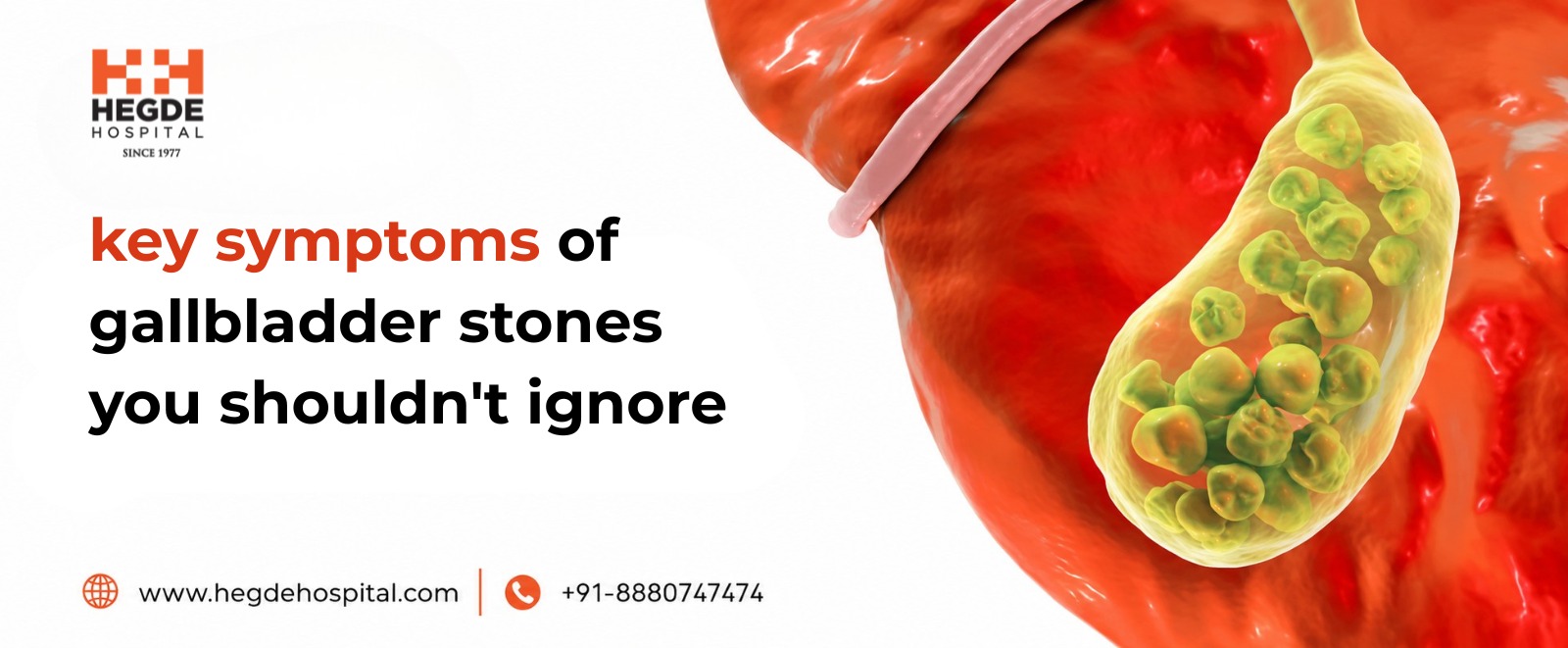
Gallstones are a common digestive condition that can affect people of all ages, although they are more frequently seen in adults and women. These are hardened deposits that form inside the gallbladder, a small organ located beneath the liver that stores bile, a digestive fluid that helps break down fats. While some gallstones remain unnoticed […]
Gallstones are a common digestive condition that can affect people of all ages, although they are more frequently seen in adults and women. These are hardened deposits that form inside the gallbladder, a small organ located beneath the liver that stores bile, a digestive fluid that helps break down fats. While some gallstones remain unnoticed and cause no symptoms, others can block the flow of bile and lead to severe pain or serious complications if left untreated.
Recognizing the early signs of gallstones is essential for timely diagnosis and treatment. Seeking medical attention at the first indication of symptoms can help prevent infections, inflammation, or damage to the gallbladder and nearby organs.
At Hegde Hospital, Hyderabad, our experienced specialists provide comprehensive evaluation, advanced diagnostic services, and personalized treatment for gallbladder disorders, helping patients achieve better digestive health.
What Are Gallstones?
Gallstones are solid particles that develop in the gallbladder when substances in bile, such as cholesterol or bilirubin, become imbalanced. They can vary in size, ranging from tiny grains to larger stones.
Some people may have gallstones without experiencing any symptoms, while others may develop discomfort when the stones block the bile ducts or interfere with the normal functioning of the gallbladder.
What Causes Gallstones?
Although the exact cause may vary, several factors can increase the risk of developing gallstones.
Excess Cholesterol in Bile
When bile contains more cholesterol than it can dissolve, cholesterol crystals may form and gradually develop into gallstones.
High Bilirubin Levels
Certain liver conditions or blood disorders can cause excess bilirubin, increasing the likelihood of pigment gallstones.
Incomplete Emptying of the Gallbladder
If the gallbladder does not empty completely or frequently enough, bile may become concentrated, encouraging stone formation.
Family History
A family history of gallstones may increase your risk.
Lifestyle Factors
Poor dietary habits, obesity, rapid weight loss, lack of physical activity, and certain medical conditions may contribute to gallstone formation.
Early Signs of Gallstones You Should Never Ignore
Many people mistake the early symptoms of gallstones for simple indigestion. However, recurring symptoms should not be ignored.
Pain in the Upper Right Abdomen
One of the earliest and most common signs is pain in the upper right side of the abdomen. The pain may begin suddenly and last from a few minutes to several hours.
Pain After Eating Fatty Foods
Gallbladder pain often occurs after consuming oily, fried, or fatty meals because the gallbladder contracts to release bile during digestion.
Pain That Spreads to the Back or Right Shoulder
Some people experience pain that radiates to the upper back or right shoulder blade, especially during a gallstone attack.
Nausea and Vomiting
Frequent nausea or vomiting, particularly after meals, may indicate gallbladder irritation or blockage.
Questions about these symptoms?
Share what you are experiencing and how long it has been present. The Hegde Hospital care team can help you choose the appropriate specialist.
Bloating and Indigestion
Persistent bloating, excessive gas, fullness after eating, or recurring indigestion can sometimes be associated with gallstones.
Frequent Burping
Repeated burping along with abdominal discomfort may occur due to digestive disturbances caused by gallstones.
Fever and Chills
If a gallstone causes infection or inflammation, fever and chills may develop. This requires immediate medical attention.
Yellowing of the Skin or Eyes
Yellow discoloration of the skin or eyes (jaundice) may occur if a gallstone blocks the bile duct. This is a medical emergency and should never be ignored.
Dark Urine and Pale Stools
Changes in urine or stool color may indicate blockage of bile flow and require prompt evaluation.
Who Is at Risk of Developing Gallstones?
Certain individuals have a higher risk of developing gallstones, including:
- Women over the age of 40
- People who are overweight or obese
- Individuals with a family history of gallstones
- People with diabetes
- Those who consume a high-fat, high-cholesterol diet
- Individuals who lose weight rapidly
- Pregnant women
- People with liver or blood disorders
Having one or more risk factors does not necessarily mean you will develop gallstones, but regular health check-ups can help detect problems early.
How Are Gallstones Diagnosed?
Doctors diagnose gallstones using a combination of medical history, physical examination, and diagnostic tests.
These may include:
- Physical examination
- Blood tests
- Abdominal ultrasound
- CT scan or MRI when required
- Additional imaging tests if bile duct blockage is suspected
Accurate diagnosis helps determine the most appropriate treatment approach.
Treatment Options for Gallstones
Treatment depends on the size of the stones, symptoms, and overall health of the patient.
Observation
Gallstones that do not cause symptoms may only require regular monitoring.
Medications
In selected cases, medications may be prescribed to dissolve certain types of gallstones. This approach is suitable only for specific patients and may take time.
Laparoscopic Gallbladder Surgery
When gallstones cause repeated pain, inflammation, or complications, laparoscopic gallbladder removal is often recommended. This minimally invasive procedure generally offers faster recovery and smaller incisions compared to open surgery.
Your surgeon will recommend the most suitable treatment based on your condition.
Can Gallstones Be Prevented?
While gallstones cannot always be prevented, certain lifestyle habits may reduce the risk.
Would you like a specialist evaluation?
Book a consultation for an examination and an individual plan based on your symptoms and medical history.
- Maintain a healthy body weight.
- Eat a balanced diet rich in fruits, vegetables, and whole grains.
- Limit foods high in saturated fats.
- Exercise regularly.
- Avoid rapid weight loss.
- Stay well hydrated.
- Attend regular health check-ups if you have risk factors.
When Should You See a Doctor?
Seek medical attention if you experience:
- Severe pain in the upper right abdomen
- Pain lasting several hours
- Fever with abdominal pain
- Yellowing of the skin or eyes
- Persistent nausea or vomiting
- Dark urine or pale stools
- Repeated digestive discomfort after meals
Early medical evaluation can help prevent complications and ensure timely treatment.
Why Choose Hegde Hospital, Hyderabad?
At Hegde Hospital, Hyderabad we provide comprehensive care for gallbladder disorders with experienced specialists and advanced diagnostic facilities. Our team focuses on accurate diagnosis, personalized treatment plans, and minimally invasive surgical options whenever appropriate.
Our services include:
- Comprehensive gallbladder evaluation
- Advanced imaging and diagnostic services
- Experienced gastrointestinal and surgical specialists
- Laparoscopic gallbladder surgery
- Personalized treatment and follow-up care
- Compassionate patient-centered healthcare
Our goal is to help every patient receive timely diagnosis, effective treatment, and a smooth recovery.
Conclusion
Gallstones may not always cause symptoms initially, but ignoring the early warning signs can lead to serious complications. Persistent abdominal pain, digestive discomfort, nausea, or jaundice should never be overlooked. Seeking medical care early allows for accurate diagnosis and appropriate treatment before complications develop.
If you are experiencing symptoms that may indicate gallstones, consult the specialists at Hegde Hospital, Hyderabad for expert evaluation and personalized care.
Frequently Asked Questions (FAQs)
1. What are the first signs of gallstones?
Early signs may include pain in the upper right abdomen, nausea, bloating, indigestion, and discomfort after eating fatty foods.
2. Can gallstones go away without treatment?
Some gallstones remain symptom-free and may not require immediate treatment. However, symptomatic gallstones should be evaluated by a doctor.
3. Are gallstones dangerous?
Gallstones can lead to complications such as inflammation, infection, or blockage of the bile ducts if left untreated.
4. Is surgery always required for gallstones?
Not always. Treatment depends on the symptoms, size of the stones, and overall health. Your doctor will recommend the most appropriate option.
5. Can gallstones be prevented?
Maintaining a healthy weight, eating a balanced diet, exercising regularly, and avoiding rapid weight loss may help reduce the risk.
Contact Hegde Hospital
🏥 Hegde Hospital, Hyderabad
📞 8880 74 74 74
🌐 www.hegdehospital.com
#Gallstones #GallbladderHealth #GallstoneSymptoms #GallbladderTreatment #DigestiveHealth #LaparoscopicSurgery #GeneralSurgery #AbdominalPain #Healthcare #HegdeHospital #Hyderabad #HealthyLiving #MedicalCare #Wellness