
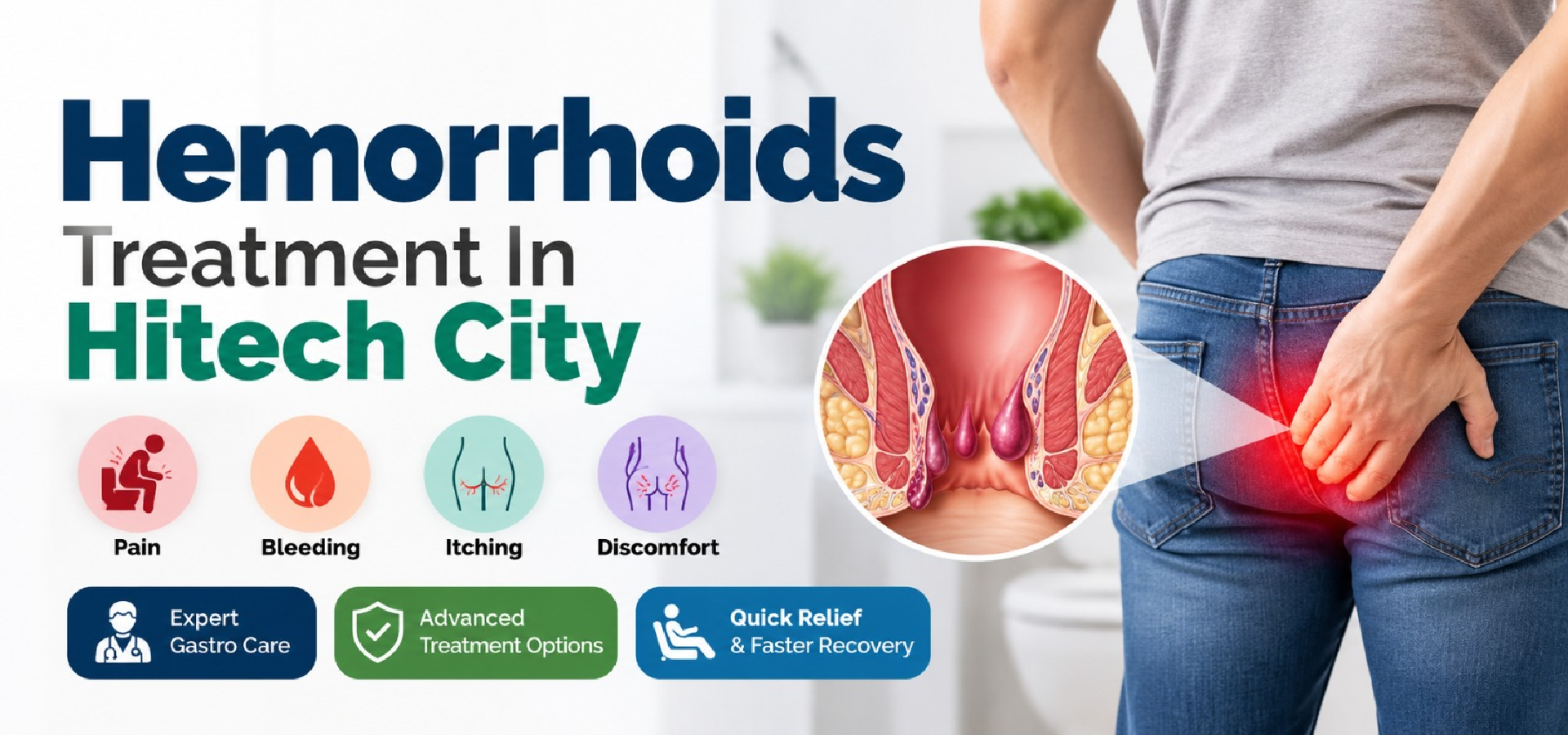
Hemorrhoids Treatment in Hitech City
If you are searching for Hemorrhoids Treatment in Hitech City, timely medical evaluation can help identify the cause of your symptoms and determine suitable treatment options. Hemorrhoids, also known as piles, are swollen veins in and around the anus and lower rectum. They may cause discomfort, itching, swelling, or bleeding during bowel movements.
Hemorrhoids can be internal, developing inside the rectum, or external, developing under the skin around the anus. Symptoms may range from mild irritation to pain and bleeding. Persistent or recurrent symptoms should be assessed by a qualified doctor to confirm the diagnosis and rule out other possible causes.
Hegde Hospital provides medical evaluation and treatment guidance for patients experiencing piles-related symptoms. Treatment depends on the type and severity of hemorrhoids, the patient's medical history, and response to previous treatment.
Call Us: +91 7780747474Hemorrhoids Treatment for Better Comfort and Recovery
Hemorrhoids may develop or become symptomatic due to increased pressure in the lower rectum. Constipation, straining during bowel movements, prolonged sitting on the toilet, pregnancy, and a low-fibre diet may contribute to the condition.
Treatment may include dietary and lifestyle changes, medicines for symptom relief, or medical procedures for selected cases. A doctor's examination helps determine the most appropriate approach based on the patient's condition.
What Are Hemorrhoids?
Hemorrhoids are swollen blood vessels located in the anus and lower rectum. They are commonly called piles. Internal hemorrhoids develop inside the rectum, while external hemorrhoids develop beneath the skin around the anus.
Some hemorrhoids do not cause noticeable symptoms. Others may lead to itching, irritation, discomfort, swelling, or bleeding during bowel movements. The type and severity of hemorrhoids help determine the appropriate treatment.
Common Symptoms of Hemorrhoids
Symptoms that may be associated with hemorrhoids include:
- Bright red blood during or after bowel movements.
- Itching or irritation around the anus.
- Pain or discomfort, especially while sitting.
- Swelling or a lump around the anus.
- Mucus discharge after passing stools.
- A feeling of incomplete bowel emptying.
- Prolapse of internal hemorrhoids in some cases.
- A painful, firm lump if an external hemorrhoid develops a blood clot.
Rectal bleeding should not automatically be assumed to be caused by hemorrhoids. Seek medical evaluation for bleeding, persistent pain, changes in bowel habits, unexplained weight loss, or symptoms that continue or recur.
What Causes Hemorrhoids?
Hemorrhoids are associated with increased pressure in the veins around the anus and lower rectum. Repeated straining during bowel movements can contribute to swelling of these blood vessels.
Common contributing factors include chronic constipation, frequent diarrhoea, straining while passing stools, prolonged sitting on the toilet, pregnancy, excess body weight, ageing, and insufficient fibre intake.
Types of Hemorrhoids
Hemorrhoids are generally classified according to where they develop. Identifying the type helps the doctor plan suitable treatment.
- Internal Hemorrhoids: Develop inside the rectum and may cause painless bleeding during bowel movements. Some may protrude through the anus.
- External Hemorrhoids: Develop under the skin around the anus and may cause itching, swelling, pain, or discomfort.
- Thrombosed Hemorrhoids: Occur when a blood clot forms inside an external hemorrhoid, potentially causing a painful and swollen lump.
- Prolapsed Hemorrhoids: Occur when internal hemorrhoids extend outside the anus. The degree of prolapse helps guide treatment decisions.
Hemorrhoids Diagnosis and Evaluation
Diagnosis usually involves reviewing symptoms, medical history, and performing an appropriate physical examination. Depending on the symptoms and clinical findings, a doctor may recommend additional investigations to assess the condition or rule out other causes of rectal bleeding.
- Physical Examination: Examination of the anal and rectal area to identify visible hemorrhoids or other abnormalities.
- Digital Rectal Examination: A doctor may use a gloved, lubricated finger to examine the rectum when appropriate.
- Anoscopy: A short instrument may be used to examine the anal canal and identify internal hemorrhoids.
- Further Investigations: Additional tests, such as colonoscopy, may be recommended in selected patients depending on age, symptoms, and medical history.
Hemorrhoids Treatment Options
The appropriate treatment depends on the type, severity, and symptoms of hemorrhoids. Many mild cases improve with dietary and lifestyle changes. Persistent or more severe cases may require medical procedures.
- Dietary and Lifestyle Changes: Increasing fibre intake, drinking adequate fluids, and avoiding straining during bowel movements may help reduce symptoms.
- Medications and Topical Treatments: A doctor may recommend suitable medicines or topical products for short-term relief from itching and discomfort.
- Rubber Band Ligation: A procedure in which a small band is placed around the base of selected internal hemorrhoids to reduce their blood supply.
- Sclerotherapy: A medical procedure in which a solution is injected into selected hemorrhoids to help shrink them.
- Infrared Coagulation: A procedure that uses infrared energy to treat selected internal hemorrhoids.
- Hemorrhoidectomy: A surgical procedure to remove hemorrhoids, generally considered for selected patients with severe or persistent symptoms.
No single procedure is suitable for every patient. Your doctor can explain the expected benefits, possible risks, recovery requirements, and alternatives before recommending treatment.
What Is Laser Hemorrhoid Treatment?
Laser hemorrhoid treatment uses laser energy as part of a procedure intended to treat selected hemorrhoids. The technique and suitability depend on the patient's condition, hemorrhoid type, and the treating surgeon's assessment.
Laser treatment is not necessary or appropriate for everyone, and outcomes can vary. A qualified surgeon can explain whether this approach or another established treatment is more suitable for your condition.
Why Consider Hegde Hospital for Hemorrhoids Treatment?
Choosing a hospital for hemorrhoids treatment involves considering medical evaluation, appropriate diagnostic facilities, available treatment options, and follow-up care. Contact Hegde Hospital to enquire about consultation for piles symptoms and related concerns.
- Medical evaluation of piles and related symptoms.
- Assessment of internal and external hemorrhoids.
- Diagnostic examination when clinically indicated.
- Guidance on dietary and lifestyle management.
- Discussion of medical, procedural, and surgical options.
- Individualized treatment planning and follow-up guidance.
Recovery and Prevention After Hemorrhoids Treatment
Recovery depends on the type of treatment performed and the patient's overall health. Your doctor may provide instructions about wound care, hygiene, medicines, diet, activity, and follow-up appointments.
Eating fibre-rich foods, drinking adequate water, avoiding straining, and responding promptly to the urge to pass stools may help reduce constipation and lower the risk of recurring symptoms. Follow your doctor's instructions and seek advice if bleeding, pain, or swelling worsens.
Frequently Asked Questions (FAQs)
1. What is the best treatment for hemorrhoids in Hitech City?
The best treatment depends on the type and severity of hemorrhoids. Options may include dietary changes, medicines, rubber band ligation, other office-based procedures, or surgery for selected cases. A doctor should assess your condition before recommending treatment.
2. What are the common symptoms of piles?
Common symptoms include rectal bleeding, itching, irritation, swelling, pain, and lumps around the anus. Some internal hemorrhoids may protrude during bowel movements.
3. Can hemorrhoids go away without surgery?
Many mild hemorrhoids improve with fibre-rich foods, adequate fluid intake, and avoiding straining. Some cases may require medication or office-based procedures. Surgery is considered for selected patients with severe or persistent symptoms.
4. Is laser treatment suitable for all hemorrhoids?
No. Laser treatment may be considered for selected patients, but it is not suitable for every type or severity of hemorrhoids. A surgeon can explain the available treatment options after evaluating your condition.
5. Are hemorrhoids and piles the same condition?
Yes. Hemorrhoids and piles are two names for swollen blood vessels in and around the anus and lower rectum.
6. What foods can help manage hemorrhoids?
Fibre-rich foods such as fruits, vegetables, whole grains, and legumes may help soften stools and reduce straining. Drinking adequate water is also important. A doctor can guide you on suitable dietary changes.
7. Can hemorrhoids come back after treatment?
Yes. Symptoms may recur, particularly if constipation, straining, or other contributing factors continue. Maintaining healthy bowel habits and following medical advice may help reduce recurrence.
8. How can I book an appointment at Hegde Hospital?
To enquire about an appointment for hemorrhoids evaluation and treatment, call Hegde Hospital at +91 7780747474. The hospital team can guide you regarding consultation availability and the next steps.