Understand recurring finger catching or locking, how it differs from numbness, and which questions to ask before choosing treatment.
A finger catches when you open your hand in the morning, then straightens with a click. You may notice tenderness where the finger meets the palm, or find that gripping utensils is becoming uncomfortable. A recurring catch is worth assessing rather than repeatedly forcing the finger straight.
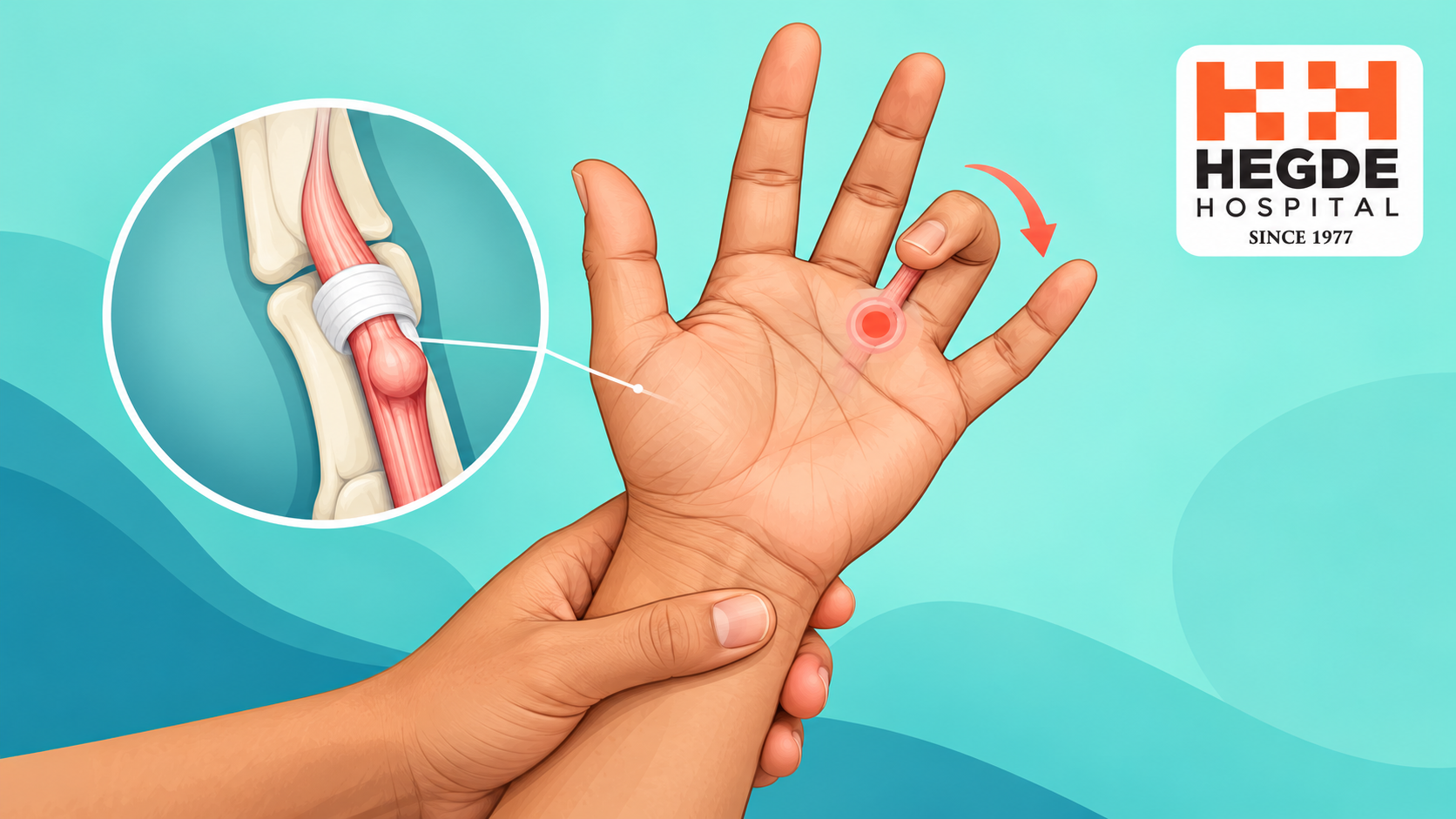
Trigger finger is one possible explanation. It is a problem with the smooth movement of a tendon, the strong cord connecting muscle to bone. This guide concerns gradual, recurring symptoms in adults; an injured, hot or rapidly swollen finger needs a different assessment.
In simple terms
Trigger finger can cause a finger or thumb to click, catch or remain bent because its flexor tendon is not gliding freely through a tight part of its covering. Diagnosis is usually based on symptoms and a hand examination. Treatment depends on locking, pain, function and how long the problem has lasted; surgery is not automatic.
What patterns should you tell the doctor about?
Mention which digit catches, whether it straightens on its own and whether it ever stays locked. Morning stiffness, tenderness in the palm and a small tender thickening near the finger base can be useful clues. Symptoms may affect more than one digit or both hands.
Explain the practical effect: difficulty with buttons, work tools, cooking or holding a cup. A short video of an intermittent catch may help if the movement is absent at the appointment. Do not repeatedly provoke a painful movement to record it. Tell the doctor about diabetes, inflammatory joint disease and any previous hand treatment.
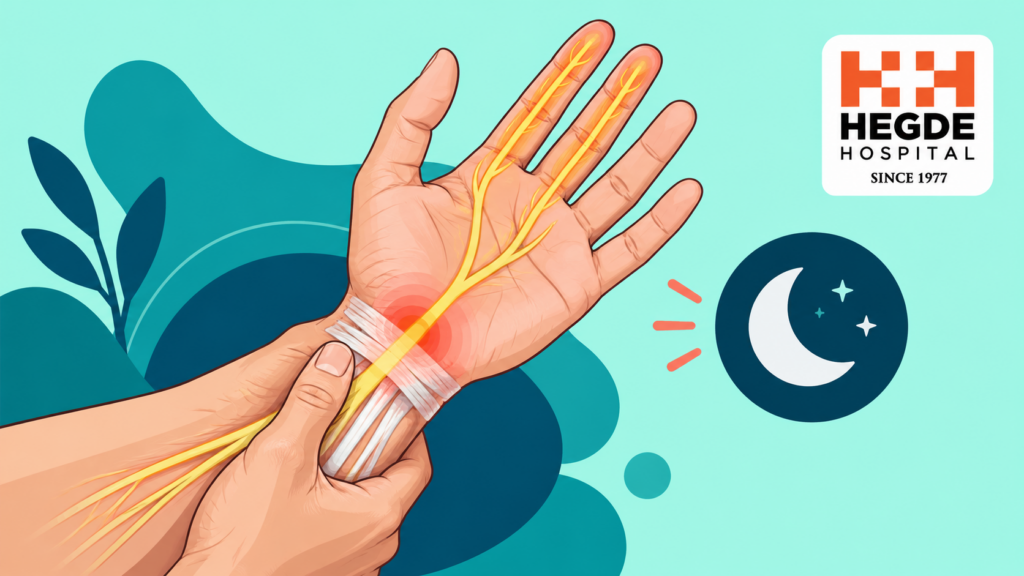
Is clicking the same as nerve compression?
No. A catching movement suggests a different problem from tingling or numbness. A joint problem or a thickened band in the palm may also restrict movement. Examination helps identify which structure is involved; these conditions can sometimes coexist.
| Main concern | Information that helps assessment |
|---|---|
| Finger catches during bending or straightening | Location of tenderness and whether it locks |
| Tingling, numbness or night-time altered sensation | Which fingers are affected and when it occurs |
| Persistent joint swelling or stiffness | Other joints involved and duration of stiffness |
| Gradual fixed bend with a band in the palm | How the change developed and ability to flatten the hand |
Our carpal tunnel assessment guide explains the separate nerve-related pattern. Neither a click nor tingling alone is enough to diagnose the cause online.
Why might trigger finger develop?
Often there is no single identifiable cause. Thickening around the tendon and its pulley can interfere with gliding. Repetitive gripping may aggravate symptoms, but the problem should not automatically be blamed on one household task or phone use.
It is more common with diabetes and certain inflammatory conditions, although it can occur without either. If diabetes is already present, share your recent care history. The diabetes follow-up guide gives context for that broader review. Having trigger finger does not, by itself, prove diabetes.
Are X-rays, scans or blood tests necessary?
Usually the clinician asks you to open and close your hand and checks tenderness, movement and locking. Typical trigger finger often does not require imaging to establish the diagnosis. Tests are considered when another cause, injury or a separate joint condition is suspected.
Ask what any proposed test is expected to clarify. A tendon problem is not automatically visible on an ordinary X-ray. Similarly, a large panel of blood tests is not required merely because one finger clicks.
What can a treatment discussion include?
The clinician may discuss changes to aggravating activities, a properly fitted support and hand therapy suited to the findings. These options should have a review point: what improvement to expect and when to reconsider the plan. Avoid forcefully pulling a locked finger or following an online manipulation routine.
A clinician-administered injection may be considered in selected patients. Benefits, recurrence and possible effects on blood sugar need discussion, especially with diabetes. This article does not select an injection or a medicine for you.
If symptoms persist, repeatedly return or remain severe, a hand specialist may discuss a release procedure to give the tendon more room. Ask about alternatives and risks such as infection, stiffness, scar tenderness, nerve injury or continuing symptoms. No technique guarantees an immediate return to unrestricted hand use.
How should recovery and work be planned?
The timetable depends on the treatment, severity, other health conditions and the demands of your job. Wound healing and full comfort with gripping are different milestones. Ask when you can type, drive, lift, use tools or return to manual work, and whether hand therapy is needed.
Arrange follow-up if function is not improving as expected. A promise that every patient recovers in the same number of days is unhelpful. Longstanding stiffness may take longer to settle than the catching movement itself.
When should assessment be sooner?
Book a routine review when catching persists or interferes with daily tasks. A finger that stays bent or loses movement deserves an earlier assessment. A red, hot, rapidly swollen finger, fever or a new injury needs prompt medical evaluation rather than being assumed to be routine trigger finger.
Frequently asked questions
Does every clicking finger have trigger finger?
No. Different tendon and joint conditions can click. The location, locking pattern and examination determine the likely cause.
Can the thumb be affected?
Yes. Similar catching can affect the thumb. This adult guide does not replace assessment of a child's locked thumb.
Will I definitely need an operation?
No. Several non-surgical options may be considered. Persistent, severe or recurring symptoms can lead to a discussion of a procedure.
Should I pull the finger straight when it locks?
Avoid forcing or repeatedly manipulating a painful locked finger. Arrange an assessment, particularly if it does not straighten normally.
Can symptoms come back after treatment?
Yes, recurrence or ongoing stiffness is possible. Ask about the expected benefit, follow-up and next options before deciding on treatment.
Bring a short symptom history to a consultation through the hospital's doctor directory or appointment service. Ask for an orthopaedic review of the hand symptoms.