Osteoporosis can develop without pain. Bone-density results, previous fractures and personal risk factors help a clinician decide what care is appropriate.
A health camp may describe your bones as “weak,” or a relative may suggest a bone scan after menopause. Before booking a test, it helps to establish what was measured and what question the next investigation would answer.
Osteoporosis increases the likelihood of a bone breaking after a relatively small injury. It often develops without noticeable symptoms. A bone-density assessment can help, but the result must be considered with previous fractures, falls and other health factors.
The direct answer
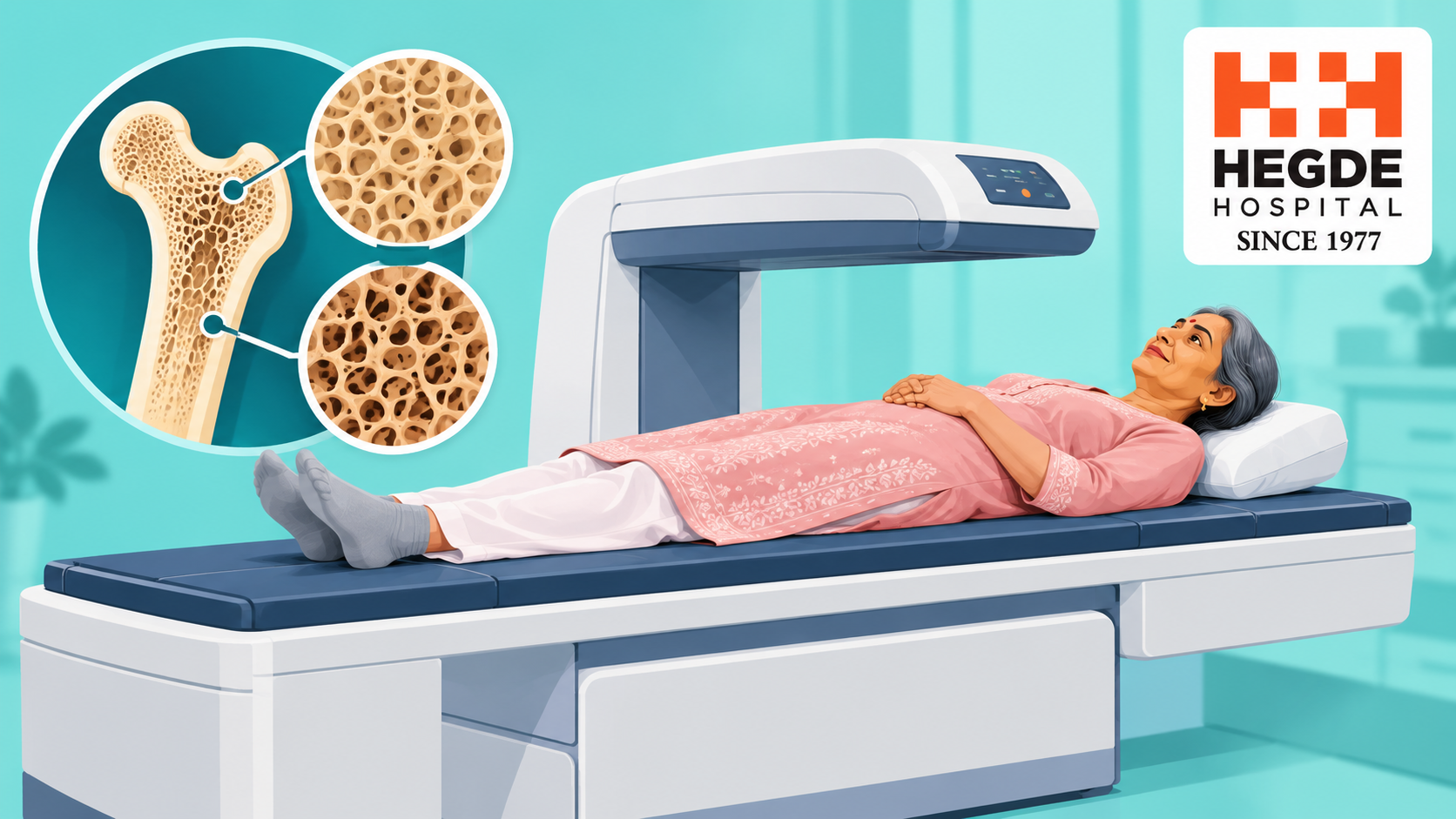
A DEXA scan, also called DXA, measures bone mineral density using a small amount of X-ray radiation, usually at the hip and lower spine. A clinician may recommend it when age, menopause, previous low-trauma fractures or other risks make the result useful for care decisions.
It is not a routine requirement for every young healthy adult, and it is not a test for every cause of joint or back pain. A blood test cannot replace the density measurement.
Who should discuss an assessment?
Tell the doctor about fractures following a fall from standing height or a smaller injury, a parent’s hip fracture, early menopause, repeated falls, low body weight or a condition affecting bone health. Ongoing prescribed treatments can also influence the decision, so bring the complete treatment list.
Age matters, but referral is not based on age alone. The clinician may estimate fracture risk using an appropriate tool and decide whether a scan would change management. A person with a previous fragility fracture may need care even when the density result is not in the osteoporosis range.
Men can develop osteoporosis too. The discussion should include individual risk factors rather than assuming bone assessment is only relevant to women after menopause. Our menopause guide covers the wider health review at that life stage.
Are a DEXA scan, X-ray and blood test the same?
They answer different questions. Tell the doctor exactly what test you had at a camp and bring the printed result. A heel measurement should not be treated as interchangeable with a central hip-and-spine DEXA report.
| Test or assessment | Main question it helps answer |
|---|---|
| Hip and spine DEXA | How dense are the measured bones, and how does that inform fracture risk? |
| Standard X-ray | Is there a fracture or another visible structural problem? |
| Selected blood tests | Could another health problem contribute to bone loss? |
| Fracture and falls history | How much risk may be present beyond the density number? |
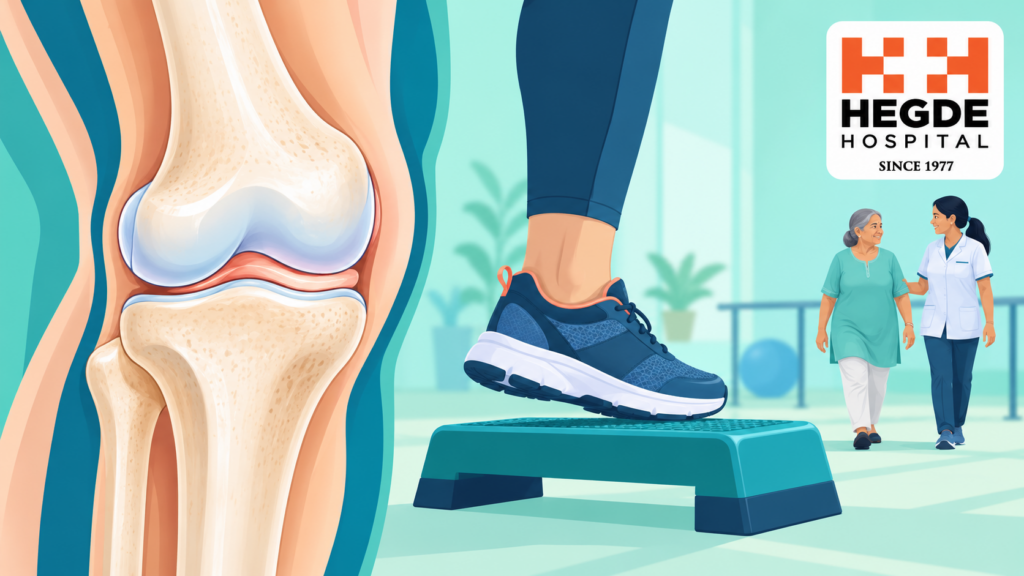
An X-ray that looks reassuring does not exclude osteoporosis. Conversely, a DEXA result does not explain every painful joint. Knee osteoarthritis is a different condition, although both problems can occur in the same person.
What happens during the scan?
You usually lie on an open padded table while the scanning arm moves over the measurement area. This is different from a tunnel scanner. The scan uses low-dose radiation, so tell the team beforehand if pregnancy is possible.
Bring previous bone-density reports, details of implants or spinal surgery, and information about recent imaging involving contrast material. Ask the unit for preparation instructions and follow them; do not alter prescribed treatment yourself. Routine bone-density scanning usually does not require fasting unless another booked test does.
How should you read the numbers?
The T-score compares density with a young-adult reference. In postmenopausal women and men aged 50 or older, a score of −1 or higher is usually described as normal density, a score below −1 but above −2.5 as low bone mass, and a score of −2.5 or lower at an appropriate site can support a diagnosis of osteoporosis.
These categories do not predict exactly who will fracture. Younger adults are generally assessed using a Z-score and their clinical situation; adult T-score categories should not simply be applied to children. Ask which score is appropriate for you.
Positioning, spinal degenerative changes, implants and the machine used can affect interpretation. A small change between reports may be measurement variation. Follow-up scans are most useful when performed on the same suitable machine, with meaningful comparisons made by the reporting team.
What care follows the result?
The plan may include finding contributing conditions, assessing falls and balance, reviewing nutrition and activity needs, and considering prescribed treatment where appropriate. Exercise advice should match balance, strength and fracture history rather than a generic internet routine.
The aim is to reduce fracture risk and maintain function. A low score does not mean that normal life must stop, and a normal score does not remove every risk. Thyroid health may be relevant in selected patients, but a scan does not establish the cause of low density.
When should review happen sooner?
Arrange routine review for risk assessment or to discuss a report. New persistent back pain, loss of height, or a changed spinal shape should be assessed promptly rather than assumed to be ordinary ageing.
Sudden severe pain after a fall or inability to bear weight requires immediate medical assessment. A routine DEXA appointment should not delay evaluation of a possible fracture.
Common questions
Can osteoporosis be present without pain?
Yes. Reduced bone strength may not cause symptoms before a fracture. Assessment is guided by risk and history, not pain alone.
Does a low blood calcium result diagnose osteoporosis?
No. Blood tests may help investigate contributing conditions, but they do not measure bone density. The doctor chooses investigations according to the clinical question.
Is a heel test enough to start treatment?
A heel result can prompt further assessment, but it is not interchangeable with a central DEXA result. Treatment decisions require the appropriate measurements and clinical history.
Does osteopenia always need prescribed treatment?
Not always. Low bone mass is interpreted alongside fracture history and overall risk. Some people need monitoring, while others may benefit from an additional care plan.
Should a DEXA scan be repeated every year?
There is no universal annual schedule. Repeat timing depends on the initial findings, treatment and whether a meaningful change would alter care.
Bring the full report to an orthopaedic consultation or request an appointment. Ask what the scan changes about your care and when the next review should happen.